Best Banana Fiber Sarees for NRI Women — Picks That Ship from California
Banana fiber sarees sit between cotton and raw silk in weight and texture, and they've been part of Tamil Nadu's textile culture for a long time without getting much attention from NRI shoppers. That's starting to change, and for good reason: the vaazhai naar saree is one of the more practical picks for South Indian functions in the US.
If you're trying to decide whether banana fiber sarees belong in your wardrobe, this guide gets specific — what to look for, which occasions they suit, and which pieces are worth buying now.
Why Banana Fiber Sarees Are Underrated
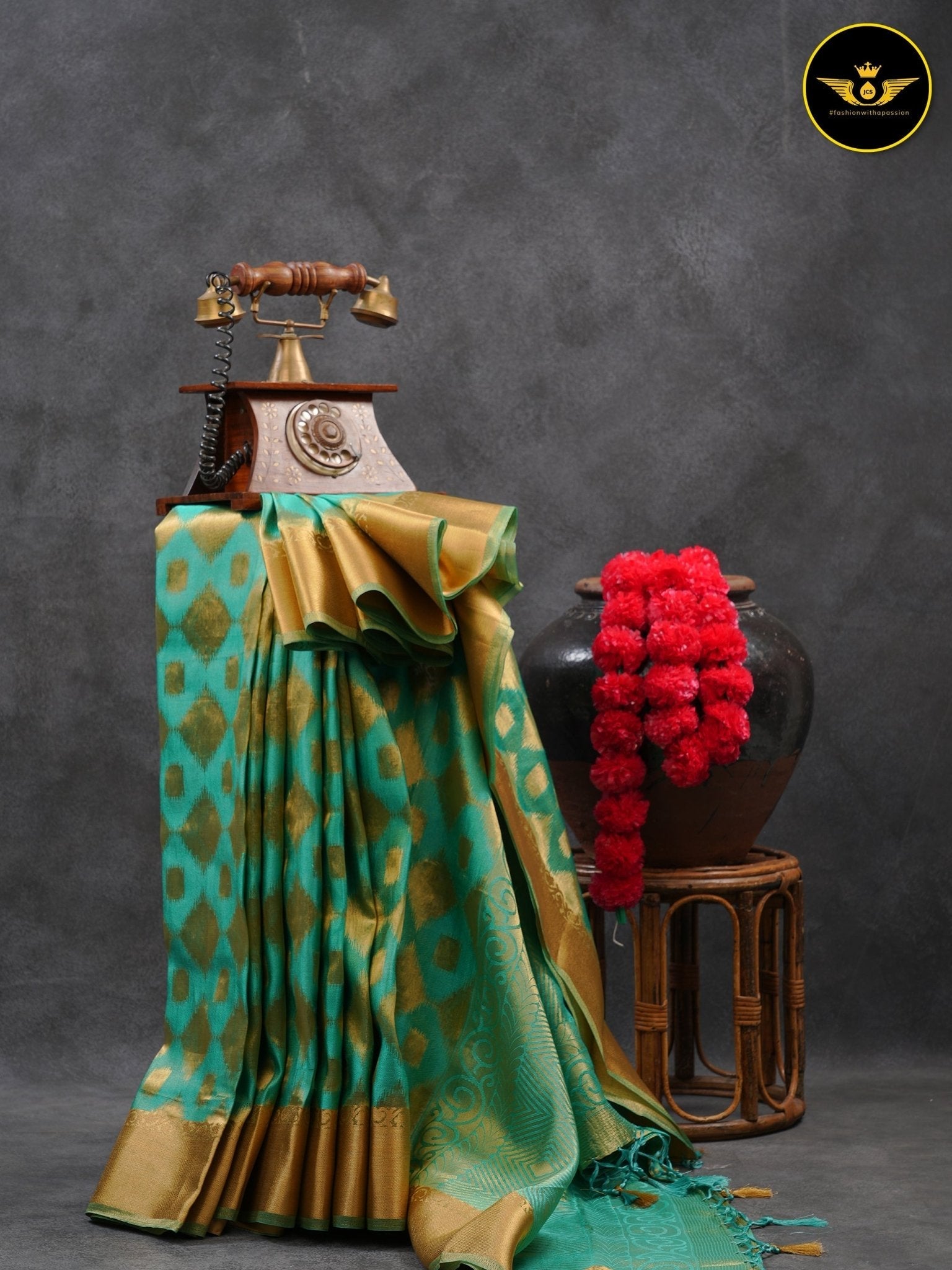
Vaazhai naar (banana pith fiber) comes from the inner stem of the banana plant. It's extracted, spun into yarn, and woven into sarees that land somewhere between cotton and raw silk in texture. They drape well, feel cool against the skin, and hold zari borders cleanly without the weight that makes a Kanjivaram silk difficult to wear for longer events.
The weight comparison matters more than most buyers expect. A Kanjivaram runs 600 to 900 grams. A vaazhai naar saree in the same yardage typically comes in under 400 grams. That difference becomes obvious by hour two of any indoor function.
Before buying, check these three things:
- Zari quality. Gold-tone copper zari handles humidity and hand washing better than silver-tone alternatives. Look for it specifically on the border detailing.
- Blouse piece. Not every listing includes one. Confirm before ordering, especially if you plan to have it stitched locally.
- Weave density. Tighter weaves drape more cleanly and hold pleats better at the pallu. Loose weaves can feel rough at the borders.
The full Banana Fiber and Vegan Saree collection has over 200 pieces across colors and border styles.

Which Events Work Best for Banana Fiber Sarees
Banana fiber sarees occupy the traditional-but-not-overly-formal space, which suits more NRI occasions than most people expect.
Temple visits and religious functions
The lightweight weave and natural fiber make vaazhai naar a practical choice for pujas and temple visits. The fabric breathes, which matters when you're standing for extended periods. Simple small-butta border styles work best here; elaborate borders can feel out of place in temple settings.
South Indian family ceremonies
Naming ceremonies, ear-piercing functions, housewarmings: banana fiber sarees hit the right register for these events. The look is considered and appropriate without competing with the host. A yellow-and-pink vaazhai naar with gold zari lands exactly where you need it for these occasions.
Mid-formal festive gatherings
For Onam sadya gatherings, Diwali potlucks, and similar events where you're seated for most of the evening, banana fiber is a smart pick. You look dressed up without the post-event fatigue that heavier silks cause after three hours.
For events requiring full formal silk, the Pure Silk Sarees collection covers Kanjivaram and pure silk options.

Banana Fiber Sarees at JCS Fashions: Which to Buy
The vaazhai naar range prices between $65 and $72 per saree in 5.5-meter lengths. That's competitive for the US market — in line with decent cotton sarees and below semi-silk pricing.
Best picks under $70
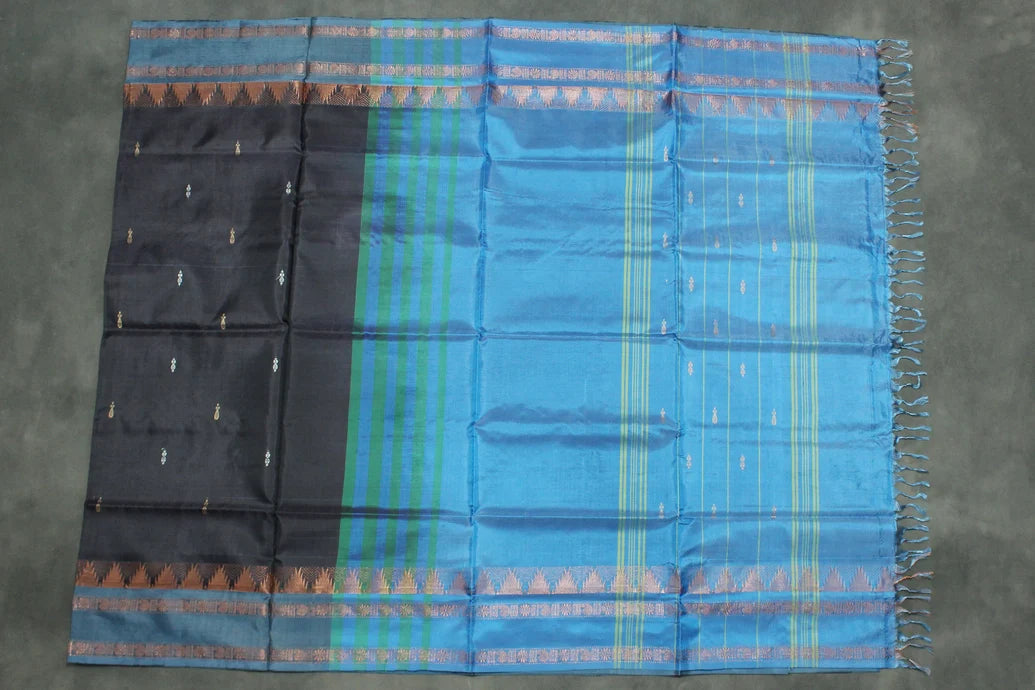
- Blue Vaazhai Naar with Zari Border ($65). Cobalt blue with a gold-tone copper border. Pairs well with silver or antique gold jewelry for daytime functions.
- Purple Vaazhai Naar with Gold Zari and Small Buttas ($65). The small butta pattern adds a refined detail that photographs well at indoor events.
- Brown Banana Pith Saree with Copper Zari ($65). An earthy choice that stands apart in a room full of blues and pinks. Good for women who prefer understated palettes.
- Yellow and Pink Vaazhai Naar with Zari Border ($65). The most festive combination in the range. Bright, not loud.
Around $72: Better zari finish
- Pink Vaazhai Naar with Gold Zari ($72). Richer zari detailing than the $65 options. The better pick for weddings and more formal functions.
- Teal and Maroon Vaazhai Naar with Zari Border ($72). A two-tone combination that works well for reception events. Distinctive without being overdone.
Most listings are single-piece inventory, so these sell quickly. Check Saree New Arrivals for restocks and new vaazhai naar additions.

How Banana Fiber Stacks Up Against Other Lightweight Sarees
If you're deciding between banana fiber and another option at a similar price point, here's a practical breakdown.
Versus linen sarees: Linen starts rough and softens with washing. Vaazhai naar starts softer and holds that way. Linen also wrinkles more at the pallu. If you want less prep before an event, banana fiber wins. Browse the Breathable Sarees collection to compare both side by side.
Versus semi-silk: Semi-silk gives you the look of silk at a lower price, but synthetic fiber traps heat. Banana fiber is plant-based and breathes better in warm venues. The Semi Silk Sarees collection is worth browsing if you're still weighing both options.
The Sarees Under $81 collection puts vaazhai naar alongside cotton, linen, and printed options in the same price range for a direct look.
Shipping and Sizing Notes
These sarees ship from California with 3 to 5 business day delivery to most US addresses — no customs delays or wait times from India. All vaazhai naar listings come in 5.5-meter lengths; check each product page for whether a blouse piece is included before ordering. The full saree collection covers 1,500-plus options if you want to compare across fabric types first.

Written by JCS Fashions