Best Machine-Washable Indian Ethnic Wear — Salwar Suits, Kurtis & Sarees for Easy Home Care
The care label matters before the price tag.
If you live outside India and don't have a dry cleaner ten minutes away, buying ethnic wear that needs specialized cleaning is a commitment most of us don't keep. Silk sarees get draped over a chair. Embellished kurtis stay in the box until we figure out what to do with them.
This guide cuts through that. Organized by fabric type, it tells you what you're signing up for before buying: machine-safe picks, hand-wash picks, and the pieces where dry cleaning is the right call.
Cotton Kurtis and Salwar Sets: Buy These First
Cotton is the easiest Indian ethnic wear to own. Most plain and lightly embroidered cotton kurtis can go into your washing machine on a gentle, cold-water cycle. The key qualifiers here are "lightly embroidered" and "cold water."
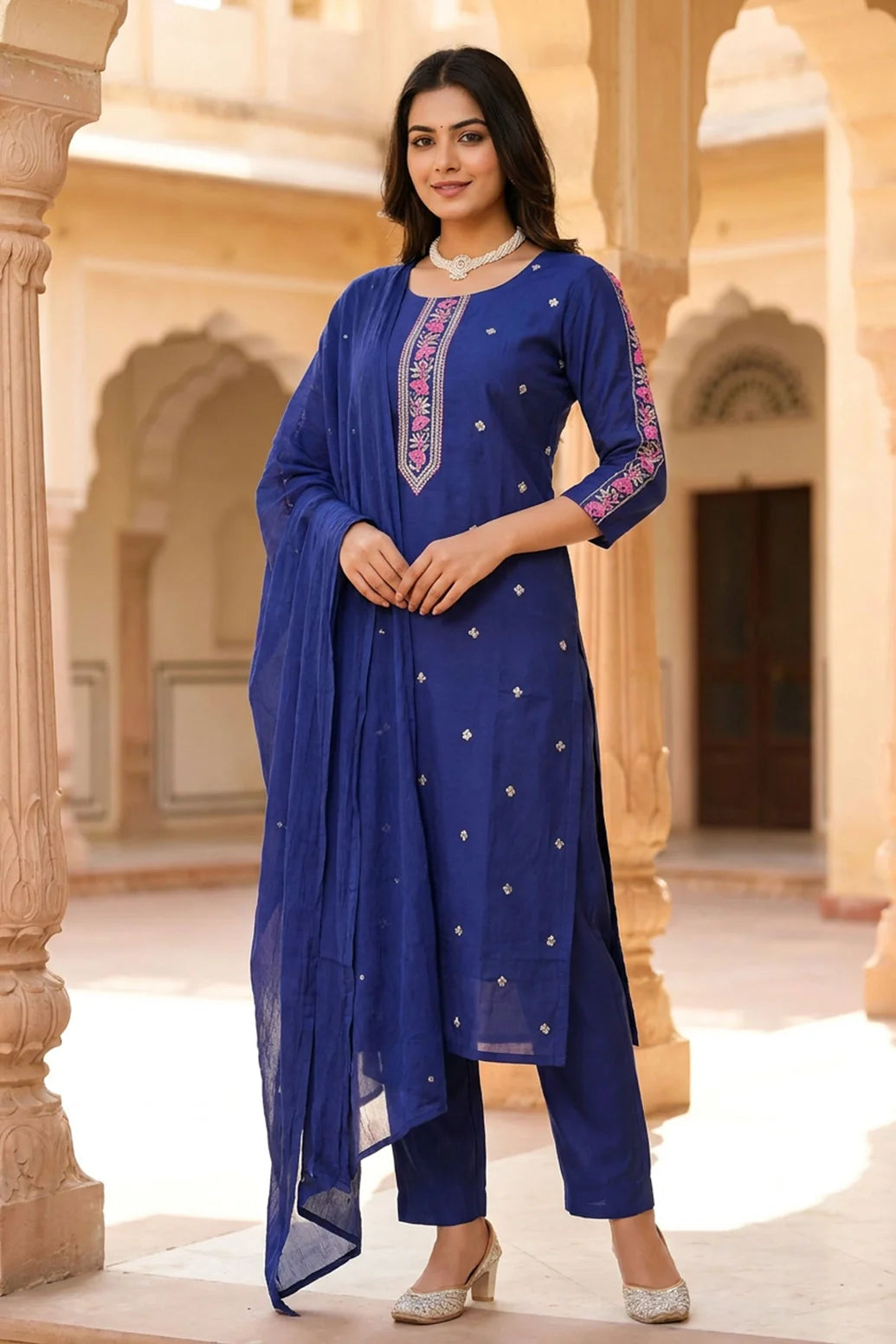
JCS Fashions carries a solid range of cotton 3-piece kurti sets (typically an embroidered top, elastic-waist pant, and chiffon dupatta), and these are among the most laundry-friendly ethnic pieces you can buy. Cotton tops like the Navy Blue Cotton Kurti or the Yellow Cotton Kurti with Aari Work hold up well in a delicate-cycle wash. The chiffon dupatta is better off hand-washed, or at minimum placed in a laundry mesh bag and air-dried flat; chiffon doesn't recover well from the dryer.

One thing to check before buying: if a cotton kurti has heavy sequins or beaded embellishments, find out whether those are sewn or glued. Sewn-on details survive machine washing reasonably well. Glued or iron-on work starts lifting after a few cycles. Turning the piece inside out and using a mesh laundry bag is a simple habit that extends the life of any embellished cotton set.
Browse the full Salwars & Kurtis collection to see current cotton sets in stock.
Roman Silk and Semi-Silk Kurtis: Machine Wash With Caution
Roman silk is a polyester or polyester-rayon blend sold under the Roman silk label in Indian wear markets. It looks dressier than cotton and is more forgiving than pure silk. Most Roman silk kurtis handle a cold, gentle-cycle machine wash without obvious damage. The catch: Roman silk sets tend to come with heavier embroidery and beadwork, and that's where things get risky.

Styles like the Deep Pink Roman Silk Kurti Set and Dark Purple Roman Silk Kurti Set at JCS Fashions are more washable than their organza or semi-silk counterparts, but hand-washing in cold water is still the safer choice for pieces with bead or sequin embroidery. If your machine has a true hand-wash cycle and you use a mesh bag, you'll likely be fine. The banarasi or digital-print dupatta included with most Roman silk sets should be hand-washed separately regardless.
Browse the complete salwar suits and kurtis range to compare fabric options and styles before buying.
Organza and Heavy Embellishment: Hand Wash Only
Organza is a sheer, structured fabric. Machine washing collapses that structure, and you end up with something limp that can't be ironed back. Organza kurtis, and anything with khatli work, zardozi, or stone embellishments, should be hand-washed in cold water with mild detergent, gently pressed (not wrung), and hung to air dry in shade.

Sets like the Peach Organza Khatli Work Kurti and the Light Blue Organza Kurti Set are party pieces. They look luxurious because of their structure, and that structure is worth protecting. Wear them a few times per season, spot-clean between outings, and hand-wash after event use. They are not meant to cycle through your laundry weekly.
Sarees: Which Fabrics Are Actually Washable?
Cotton and linen sarees are the most washable. Most handloom cotton sarees handle a gentle, cold machine cycle without issue. Linen sarees are also machine-safe on cold but wrinkle badly, so plan on ironing after washing. JCS Fashions' Breathable Sarees collection covers cotton, linen, and jute varieties — the ones to reach for if low-maintenance care is a priority.
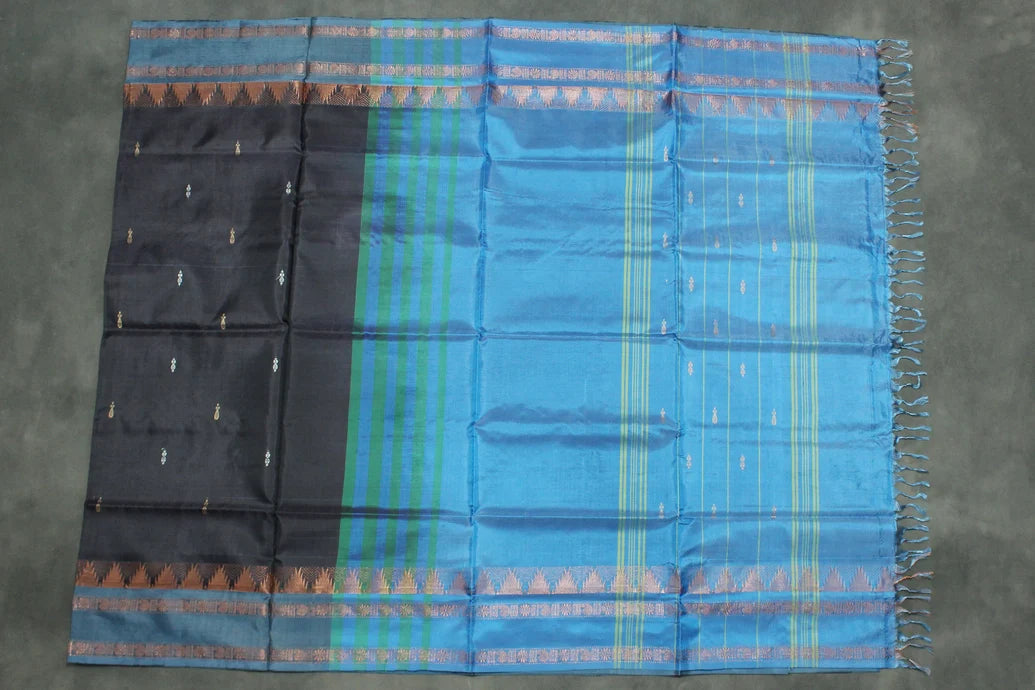
Semi-silk sarees (a blend of silk with cotton or polyester) are generally hand-wash safe in cold water. Pieces in the Semi Silk Sarees collection hold up to careful hand-washing without damage to the weave. Check the blouse fabric before washing the whole set together; blouse fabrics sometimes run differently than the saree body.
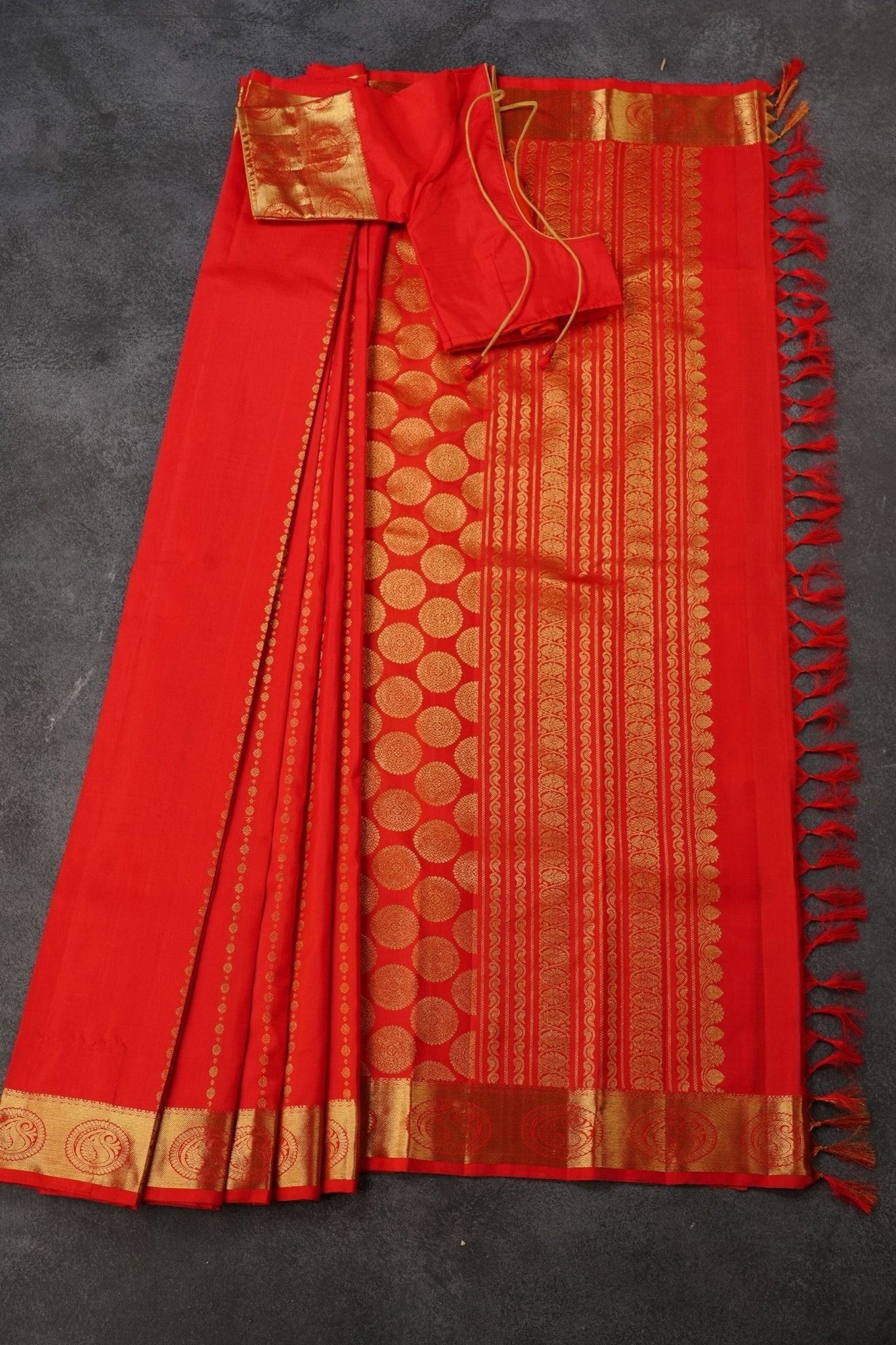
Pure silk (Kanjivaram, Banarasi, Paithani) is dry-clean only. The sarees in the Pure Silk Sarees collection are genuine investments, and hand-washing them without knowing the dye-fixation process is a risk not worth taking. Most NRI shoppers who own silk sarees take them to a dry cleaner annually. That's the correct approach.
The full sarees collection spans all fabric types across hundreds of styles.
The Buying Rule That Saves You Stress
Match fabric to use case before you check out. Cotton kurtis and breathable sarees are what you want if you need ethnic wear you can maintain without effort. They ship from California with 3-5 day delivery, arrive in good condition, and go straight into your regular laundry rotation.
Organza sets and pure silk sarees are completely reasonable purchases for special occasions. Go in knowing those pieces need dry cleaning or careful hand-washing. The problem isn't the fabric itself. It's buying a dry-clean piece while mentally planning to machine wash it.
Browse sarees under $81 for easy-care options at accessible price points, or explore the full salwar suits and kurtis range for cotton and Roman silk sets in every size and color.

Written by JCS Fashions