Best Easy-Care Indian Ethnic Wear for Busy NRI Women — Fabrics That Wash, Travel & Last
Dry cleaning has a way of quietly making Indian ethnic wear feel like a once-a-year wardrobe. Beautiful sarees folded in tissue paper, salwar suits pulled out only for major occasions — not because you don't love them, but because caring for them feels like extra homework. There's nothing worse than pulling out a gorgeous silk saree the night before a function and realizing it needs a dry cleaner before it can be worn.
This is a guide built around the opposite philosophy. Pick the right fabric, and your ethnic wear goes to temple, to a cousin's baby shower, into your carry-on, and into the wash with minimal drama.
Why Fabric Choice Is the Real Care Strategy
Most ethnic wear gets categorized by look: heavy silk for weddings, cotton for daily wear, georgette for parties. That framing is useful, but for NRI women managing closets from the US, there's a more practical lens: which fabrics can you care for at home without risking the piece?
Chanderi, Ikkat cotton, georgette, and most cotton-blend salwar suits are forgiving. Pure Kanjivaram silk and heavily embroidered pieces are not: they need professional care, and knowing that upfront saves real frustration.
The Breathable Sarees collection (cotton, linen, and jute sarees) is the best starting point if low-maintenance is your main criteria. These handle frequent washing better than most fabrics in the store, and several pieces work for casual temple visits or everyday festive wear.
The Easy-Care Sarees Worth Owning
Chanderi: The Silk Look Without the Silk Hassle
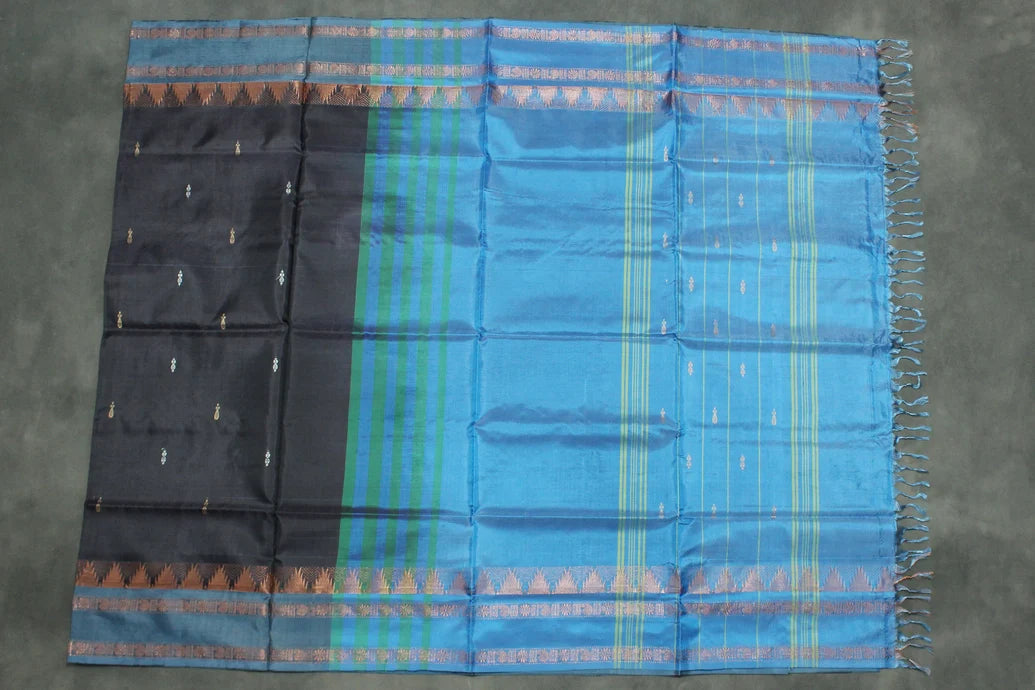
Chanderi is a silk-cotton blend woven in Madhya Pradesh. The cotton base keeps it breathable and lighter than pure silk; the silk warp gives it that gentle sheen everyone asks about at functions. It typically handles a cold hand-wash or delicate machine cycle well, and it dries flat without heavy creasing. Chanderi also travels well — the fabric is forgiving when folded, and it doesn't need steaming after a long flight the way heavier silks do.

Shop the Chanderi Sarees collection if you want the silk look with a fraction of the upkeep. Pieces start around $75 and most come with a fully stitched blouse. It's the clearest value-for-maintenance trade in the saree category.
Ikkat: Cotton Heritage That Actually Washes
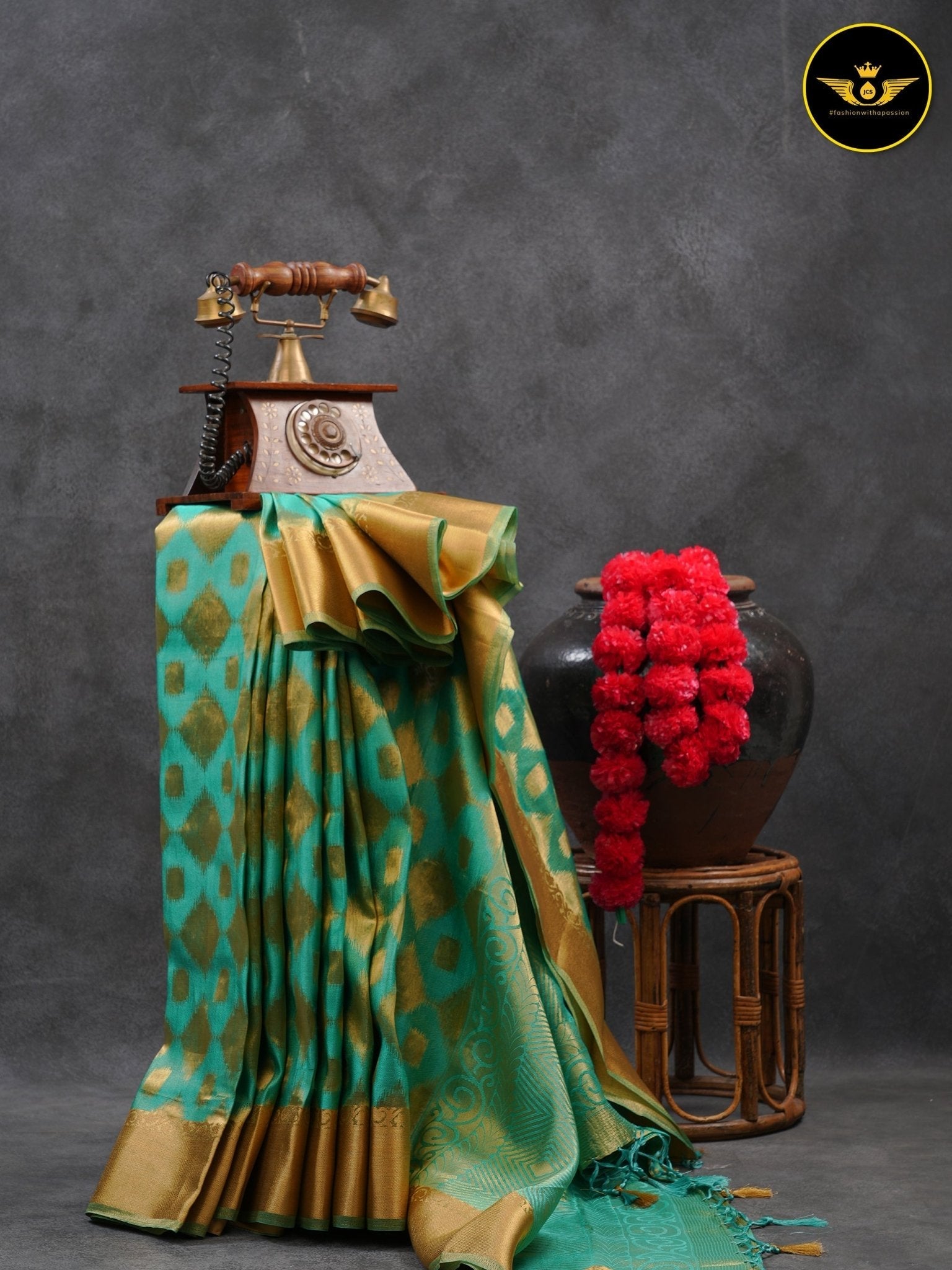
Pochampally Ikkat is a cotton-heavy weave from Telangana where yarn is resist-dyed before weaving, producing those slightly blurred geometric patterns the weave is known for. Because it's primarily cotton, most Ikkat sarees handle a gentle machine wash well: cold water, slow spin, air-dry. The patterns don't fade quickly either, which matters when you're washing more regularly than once a season.

The Ikkat Sarees collection has both cotton and silk-cotton blends worth comparing. If you're building a rotation you can actually wear regularly, at least one Ikkat belongs in it.
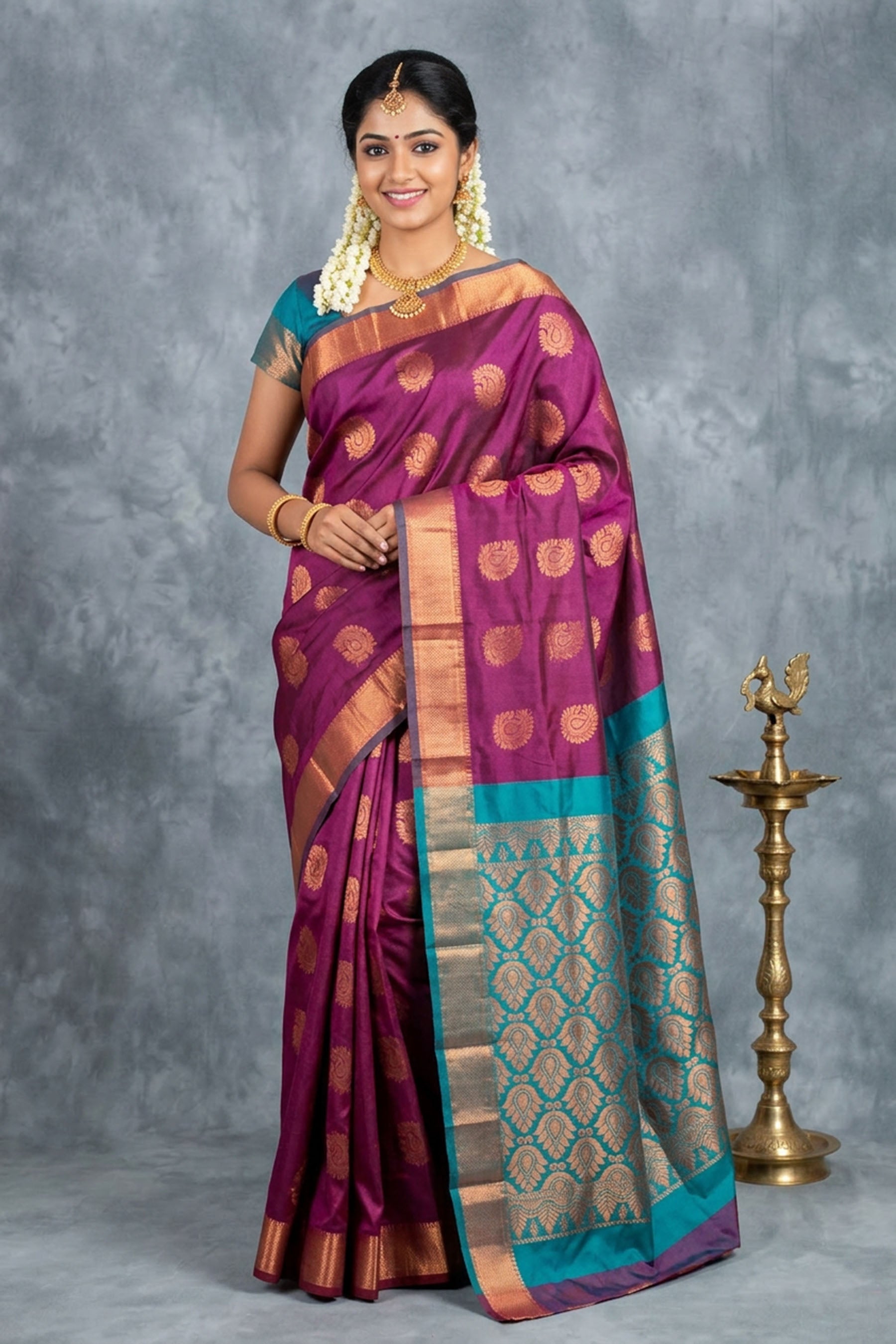
Soft silk sits in the middle ground. Lighter than Kanjivaram, it doesn't require the same professional care and is a reasonable pick when you want a silk saree you can wear more often without worrying about every wash.

Salwar Suits and Kurtis That Travel and Wash Well
Salwar suits and kurtis are where easy-care Indian ethnic wear is most practical for NRI women. Rayon, cotton, and georgette suits can almost always go in a cold machine cycle. Most kurtis are cut for drape rather than structure, which means they fold compact and spring back without major wrinkles.
Georgette deserves a specific call-out: it dries fast, resists wrinkles while being worn, and packs to almost nothing. The Georgette Sarees collection shows what the fabric looks like in saree form, but it shines equally in salwar suits.
For volume browsing, the All Salwars & Kurtis collection has over 500 pieces. Default to rayon or cotton-blend pieces for the lowest-maintenance outcome. Check the product description for fabric details before buying.
The Banana Fiber / Vegan sarees collection is another easy-care option worth knowing about. Plant-based fibers air-dry quickly and skip dry cleaning entirely, making them a strong pick for women who want ethnic wear they can wear and wash on their own schedule.
Three Care Habits That Actually Make a Difference
Good fabric choices help, but care habits matter just as much. Three practices that extend ethnic wear life:
First wash alone. New ethnic wear often bleeds color. Hand-wash alone in cold water before the first wear, especially reds and deep blues. Don't mix with other fabrics in that first cycle.
Roll, don't fold heavy silk. For pieces that need dry cleaning between wears, rolling them around an acid-free tube prevents the fold-line creases that damage fibers over time. Flat storage in a breathable cotton bag works too. If you're storing for longer than a few months, tuck a couple of cedar blocks in the closet — they repel insects without introducing chemical odors that can set into natural fibers.
Skip compression bags for travel. Compression bags squeeze delicate weaves into crease patterns that are hard to remove. Use large zip-lock bags instead: they protect from moisture and dust without the pressure.
JCS Fashions ships from California with 3-5 day delivery across the US, so you're not waiting weeks when an event is coming up. If low-maintenance fabric is your priority, start with the Breathable Sarees and Chanderi Sarees collections first.

Written by JCS Fashions