Which Sarees Are Easiest to Care For? A Fabric Guide for NRI Women Who Buy Online
Buying a saree online is a real commitment. You're spending anywhere from $50 to $300+, and how long that investment holds up depends on one practical question almost nobody asks before checkout: how much work does this fabric actually need?
The answer varies significantly. A cotton everyday saree and a Kanjivaram silk live in entirely different maintenance worlds, and knowing the difference before you buy will save you a ruined drape, a damaged border, or a very stressful first wash.
For NRI women who want easy-care sarees without sacrificing style, here's what each fabric actually demands.
Cotton and Linen Sarees: The Lowest Effort Option
If you want the most forgiving saree you can own, cotton and linen sarees win by a wide margin. Machine-washable on gentle, line-dry friendly, and they soften with every wash.
A few specifics worth knowing before you buy:
- Handloom cottons (Chettinad, Mangalagiri, Sungudi) will shrink slightly in the first wash. Cold water, air dry flat, and you're done.
- Linen-cotton blends hold their shape better than pure linen and resist pilling. Good for humid California summers.
- Block-printed cottons need inside-out washing to preserve the print. Skip the spin cycle.
Cotton is also the best choice if you're building a saree wardrobe from scratch and don't yet know your event calendar. The low-risk price point and easy care mean you can experiment with draping styles, blouse cuts, and colors without anxiety.
For women who wear sarees to work, temple visits, or weekend events, an everyday saree in cotton or linen is the smartest spend. You'll rotate it regularly because you're not afraid to clean it.

Semi-Silk Sarees: A Middle Ground That Actually Works
Semi-silk sarees (blends of silk with viscose, art silk, or polyester) sit between cotton's simplicity and pure silk's demands. They look expensive without the dry-clean-only lifestyle.
What care looks like in practice:
- Most semi-silks wash well by hand in cold water with a small amount of mild shampoo (not detergent).
- Don't wring. Roll in a towel, press gently, then hang in shade to dry.
- Zari borders on semi-silk are typically metallic thread on a synthetic base. They don't oxidize the way pure zari does, so you won't spend the off-season managing tarnish.
These make strong picks for weddings, functions, and parties when you want a dressed-up look without booking a dry-clean appointment a week in advance.

Pure Silk Sarees: High Investment, Specific Rules
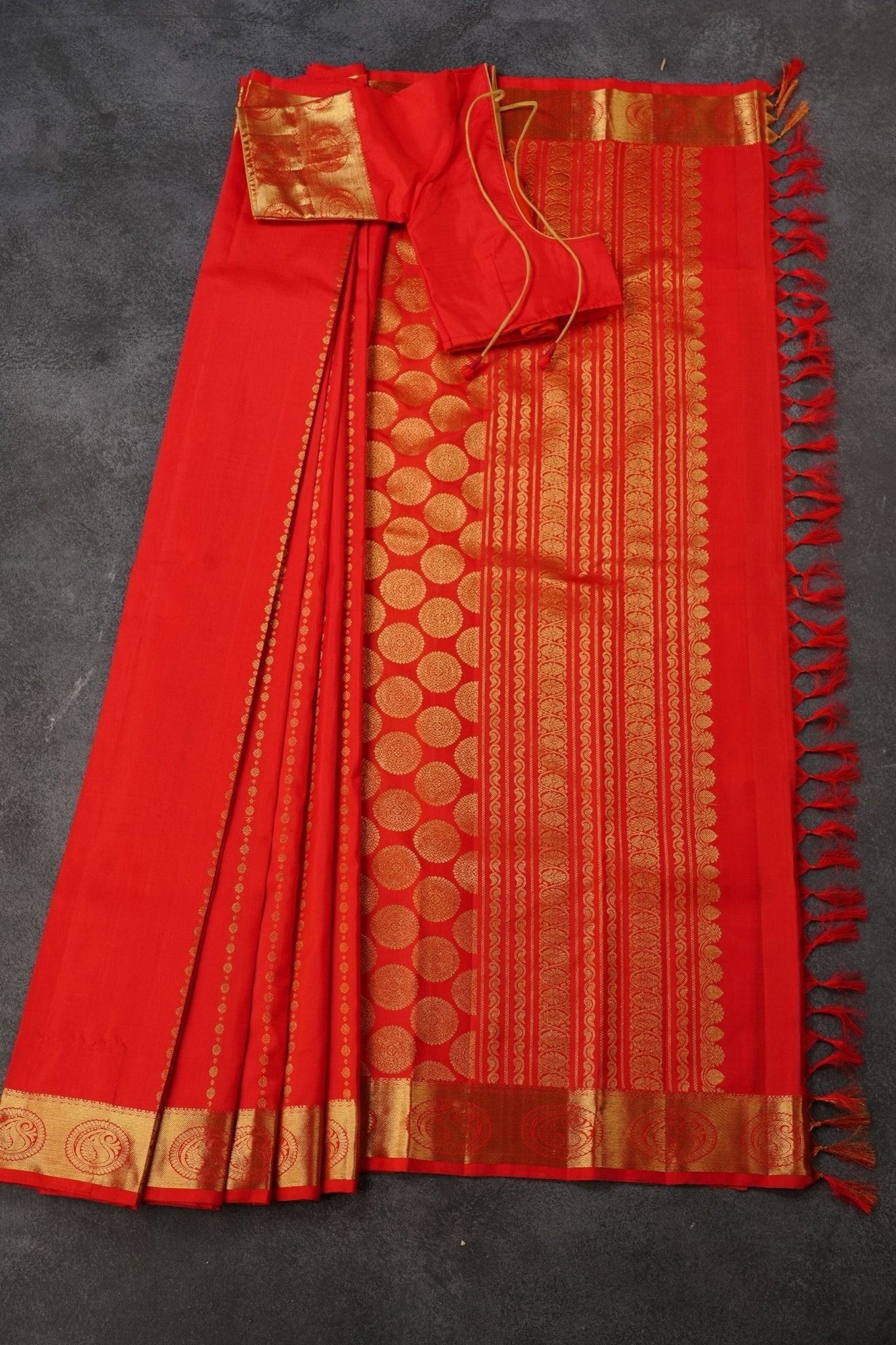
Kanjivaram, Uppada, and Pochampally Ikkat are worth every dollar. That said, they do not handle neglect well. This isn't a reason not to buy them — it's information you need to own them properly.
The actual care rules:
- Dry clean once a season, or after heavy wear in heat. Not every time you wear it.
- Store in muslin cloth, not plastic. Plastic traps moisture. Silk needs to breathe.
- Fold, don't hang. Hanging pure silk for months stretches the weave out of shape.
- Air after every wear. You don't need to wash after a single use — letting silk breathe between wears prevents mildew and maintains the sheen.
- Silica gel in storage helps. Real zari tarnishes in humidity. One gel packet in the storage box is the easiest prevention.
When you spend $150–$200 on a pure silk saree, one dry clean per year and correct storage is the entire maintenance cost. Treated well, these sarees outlast the occasion you bought them for by several decades.

Banana Fiber Sarees: The Sustainable Low-Maintenance Pick
Banana fiber sarees are woven from the stem of the banana plant (called Vallai Naar in Tamil), and they've built a following among NRI women for practical reasons: natural silk-like sheen, vegan, and far easier to maintain than they look.
Cold water hand-wash handles most cleaning. They don't trap heat or odor the way synthetic fabrics do, and they air-dry quickly. The texture is slightly coarser than pure silk at first but softens noticeably after two or three washes. If you want the visual weight of silk without the dry-clean schedule, banana fiber is a seriously underrated option.
Which Saree Suits Your Lifestyle?
The honest breakdown:
- For regular wear (work, temple, casual functions): Cotton or linen. Wash it yourself, wear it constantly.
- For weddings and parties: Semi-silk. Hand-wash and done.
- For milestone events or heirloom purchases: Pure Kanjivaram or Uppada. Follow the care rules — the saree pays you back for decades.
- For silk aesthetics with minimal upkeep: Banana fiber. More practical than most people expect.
All orders ship from California, so you're not waiting weeks on customs to figure out what you actually got.
Browse the full saree collection or filter by ready-to-wear sarees if you want the blouse already sorted.

Written by JCS Fashions