
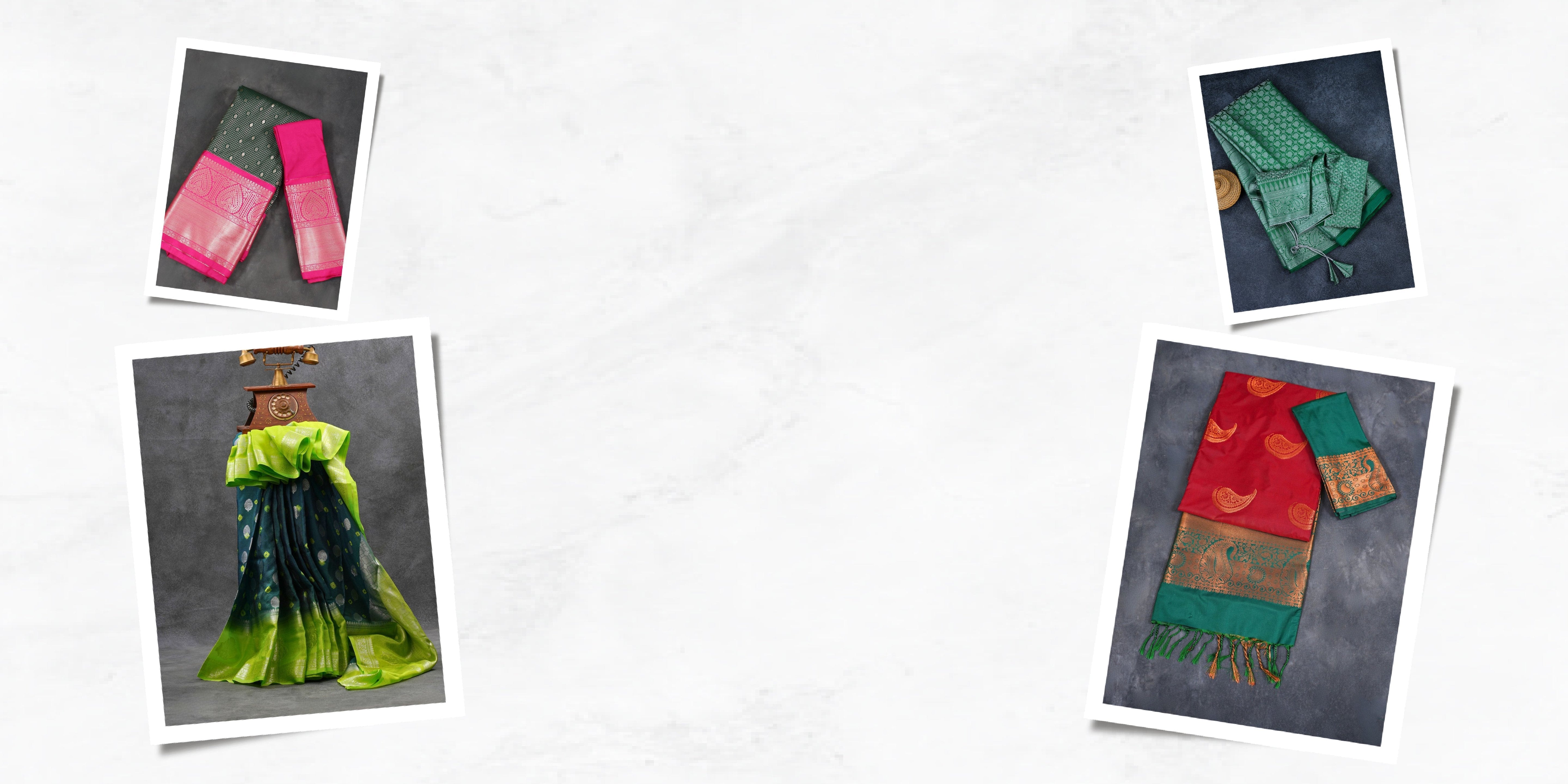
Copper Border Sarees: Traditional Weaves Explained
Gold zari borders have long been the gold standard in Indian sarees (pun intended), but over the last decade, copper borders have taken on a life of their own. Warmer than silver, softer than gold, and distinctive in a way that stands out without shouting — copper zari sarees have become a favorite among brides, bridesmaids, and anyone tired of the traditional gold-on-red combination.
Here's a guide to what copper border sarees are, which traditional weaves feature them, and how to style one well.
What Is Copper Zari?
Zari is metallic thread woven into the border, pallu, or body of a saree. Traditional zari is made from silver wire coated with gold — what the industry calls "real zari" or "pure zari." Copper zari, as the name suggests, uses copper as the base metal, typically alloyed for strength and sometimes coated for shine.
Copper zari is less expensive than pure gold zari, which makes it accessible while still offering a metallic, handwoven look. It's also warmer in tone than silver and has a subtle reddish-gold glow that photographs beautifully.
Traditional Weaves That Feature Copper Borders
Kanchipuram Silk: While the most famous Kanchipuram sarees use pure gold zari, copper zari has become increasingly popular for "temple weave" Kanchipurams. The copper temple border with traditional motifs creates a distinctive look that's gaining favor for weddings and receptions.
Chanderi Silk: Chanderi sarees from Madhya Pradesh often feature delicate zari borders. Copper zari Chanderis are lighter in weight and more affordable than their gold-bordered counterparts, making them ideal for daytime events and Sangeet ceremonies.
Soft Silk Sarees: A category that spans across regions, soft silk sarees with copper zari borders are versatile enough for family functions, religious events, and office celebrations. The softer drape makes them easy for all-day wear.
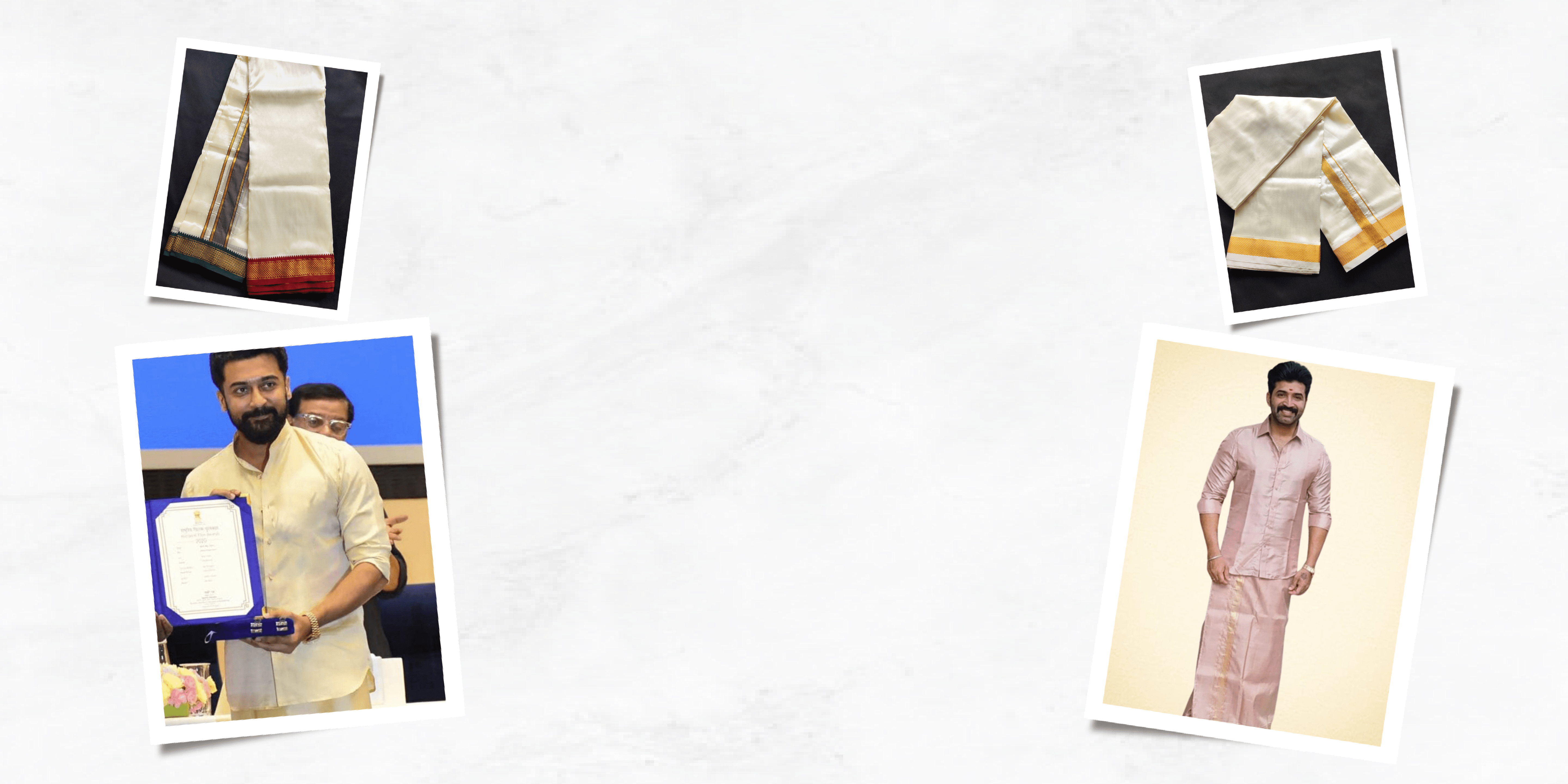
Kerala Cotton: Traditional Kerala sarees typically have gold borders, but copper borders have emerged as a modern alternative. The contrast of copper against the cream or off-white body is particularly striking and gives the classic kasavu look a contemporary twist.
Banarasi Silk: While most Banarasis use gold or silver zari, copper Banarasis have emerged as a niche, especially in crepe and georgette Banarasi variants. They're lighter, easier to drape, and ideal for those who find full Banarasi silks too heavy.
Semi Silk and Silk Cotton: Mid-priced weaves often feature copper borders as a way to deliver the "traditional look" without the premium price of pure gold zari.
Why Copper Zari Is Valued
Distinctive tonality. Copper sits beautifully against colors that gold can overpower — navy blue, emerald green, deep teal, maroon, and charcoal grey. It adds warmth without competing with the saree's color.
Photographs well under warm lighting. Indian weddings are lit with mostly warm (yellow) lights, and copper zari glows under those conditions. Gold zari sometimes looks too intense in photos; copper strikes a softer balance.
Affordable without feeling cheap. Copper zari offers the handwoven metallic look without the price tag of pure gold zari. Many families choose copper for multiple sarees so the wardrobe has variety.
Unique and intentional. At a wedding where most guests wear gold-bordered sarees, a copper border stands out in a quiet, intentional way.
Occasion Fit
- Weddings (as a guest): Copper border soft silks or Kanchipurams work beautifully. Save the pure gold Kanchipuram for if you're close family.
- Receptions: Dupion silk or semi silk sarees with copper borders feel modern and photograph well.
- Religious ceremonies: Kerala cotton sarees with copper borders are elegant and respectful.
- Office festivals (Diwali at work): A Chanderi or Silk cotton saree with copper border is dressy enough for a celebration without overdoing it.
- Sangeet and haldi: Copper borders on brighter colors — magenta, turmeric yellow, forest green — are perfect for the pre-wedding celebration vibe.
Styling a Copper Border Saree
Blouse choice. A blouse in the same tone as the saree body creates a cohesive look. A contrast blouse in a color that complements copper (teal, forest green, navy) adds visual interest. Avoid blouses with heavy gold embroidery — the metals can clash.
Jewelry. Copper border sarees pair well with both gold and antique gold jewelry. Skip platinum and silver — the cool tones fight the warm copper. Temple jewelry in antique gold or rose gold is particularly flattering.
Makeup. Warm-toned makeup — terracotta blush, gold or bronze eyeshadow, rust lipstick — complements the copper tones. Avoid cool pinks and silvery highlighters, which can look mismatched.
Dupatta or Pallu placement. Let the copper border show. Pallu drape styles that display the border prominently (side drape, open pallu) work better than styles that hide it.
Care for Copper Border Sarees
Copper zari tarnishes over time if exposed to moisture or stored poorly. To keep the border bright:
- Store the saree in a cotton muslin wrap, not plastic
- Add a small silica gel packet to the storage area to control humidity
- If the copper starts looking dull, a gentle wipe with a soft, dry cloth often restores the shine
- Dry clean pure silk copper border sarees; hand-wash cotton ones in cold water
- Avoid direct sunlight during storage and long exposure during drying
Where to Start
If you're building a wedding or festive wardrobe, a copper border saree is an excellent addition. It stretches further than a gold-bordered piece because it works across more occasions — from religious events to receptions to weekend festivals.
Browse our full saree collection — you'll find copper border options in Kanchipuram, soft silk, Kerala cotton, and semi silk. Every saree ships from our Milpitas, CA warehouse in 3–5 days with no customs fees.
If you're looking for a specific weave, check our Sungudi and Maheswari cotton collections, both of which include copper-bordered pieces in the under-$75 range.

Written by JCS Fashions
,%20but%20over%20the%20last%20decade,%20copper%20borders%20have%20taken%20on%20a%20life%20of%20their%20own.%20Warmer%20than%20silver,%20softer%20than%20gold,...)