What to Wear to an Indian Wedding as a Guest: A Complete Guide
Indian weddings aren't a single event — they're a multi-day celebration with distinct ceremonies, each with its own dress code. If you've been invited to an Indian wedding for the first time (or the fifth time and still don't feel sure), this guide walks through exactly what to wear to each event, for both women and men.
Understanding the Events
A typical Indian wedding spans 3 to 5 days with these main ceremonies:
- Mehendi: The henna ceremony, usually 1–2 days before the wedding. Casual to semi-formal.
- Haldi: Turmeric application ceremony. Very casual, often yellow-themed.
- Sangeet: Music and dance evening. Festive, high-energy.
- Wedding ceremony: The actual marriage rituals. Formal, traditional.
- Reception: The celebration after the wedding. The most formal event.
Not every wedding has all these events, and dress codes vary by region (South Indian, North Indian, Gujarati, Punjabi, Bengali, etc.). When in doubt, ask the host directly — most appreciate the effort.
Mehendi Ceremony
For women: A light, comfortable outfit is key — you'll be sitting for extended periods while henna dries.
- Anarkali kurti sets in pastel colors (yellow, green, pink)
- Light lehenga in floral prints
- Cotton or georgette sarees for a more traditional look
- Avoid: full-sleeve outfits (henna is applied to arms), white or pure black, heavy embroidery
For men: Casual-traditional.
- Cotton kurta pajama in earth tones (beige, olive, mustard)
- Kurta with jeans for a modern take
- Avoid: full formal sherwani (saved for wedding day)
Haldi Ceremony
Haldi is the most casual event. Turmeric gets thrown around, so don't wear anything precious.
For women: Yellow or white outfits are traditional. Choose fabrics that can handle turmeric stains.
- Simple cotton kurta sets
- Cotton sarees in yellow, white, or green
- Pavadai sets for young girls
For men: Simple cotton kurta. Yellow is ideal but not required.
Sangeet
Sangeet is the party — expect dancing, Bollywood music, and photo ops. Dress for movement and photos.
For women:
- Embroidered lehengas with medium-weight cholis
- Designer sarees in jewel tones (emerald, ruby, sapphire)
- Anarkali suits with light stonework
- Indo-western gowns with Indian detailing
Avoid: Red (reserved for the bride in many cultures), pure white (associated with mourning), and extremely heavy outfits that restrict dancing.
For men:
- Silk kurta pajama with Nehru jacket
- Bandhgala suit in rich colors (maroon, navy, forest green)
- Indo-western kurta sets with modern cuts
Wedding Ceremony
This is the main event — dress traditionally and respectfully. Ceremonies often happen in temples or venues with religious traditions, so modest coverage is important.
For women:
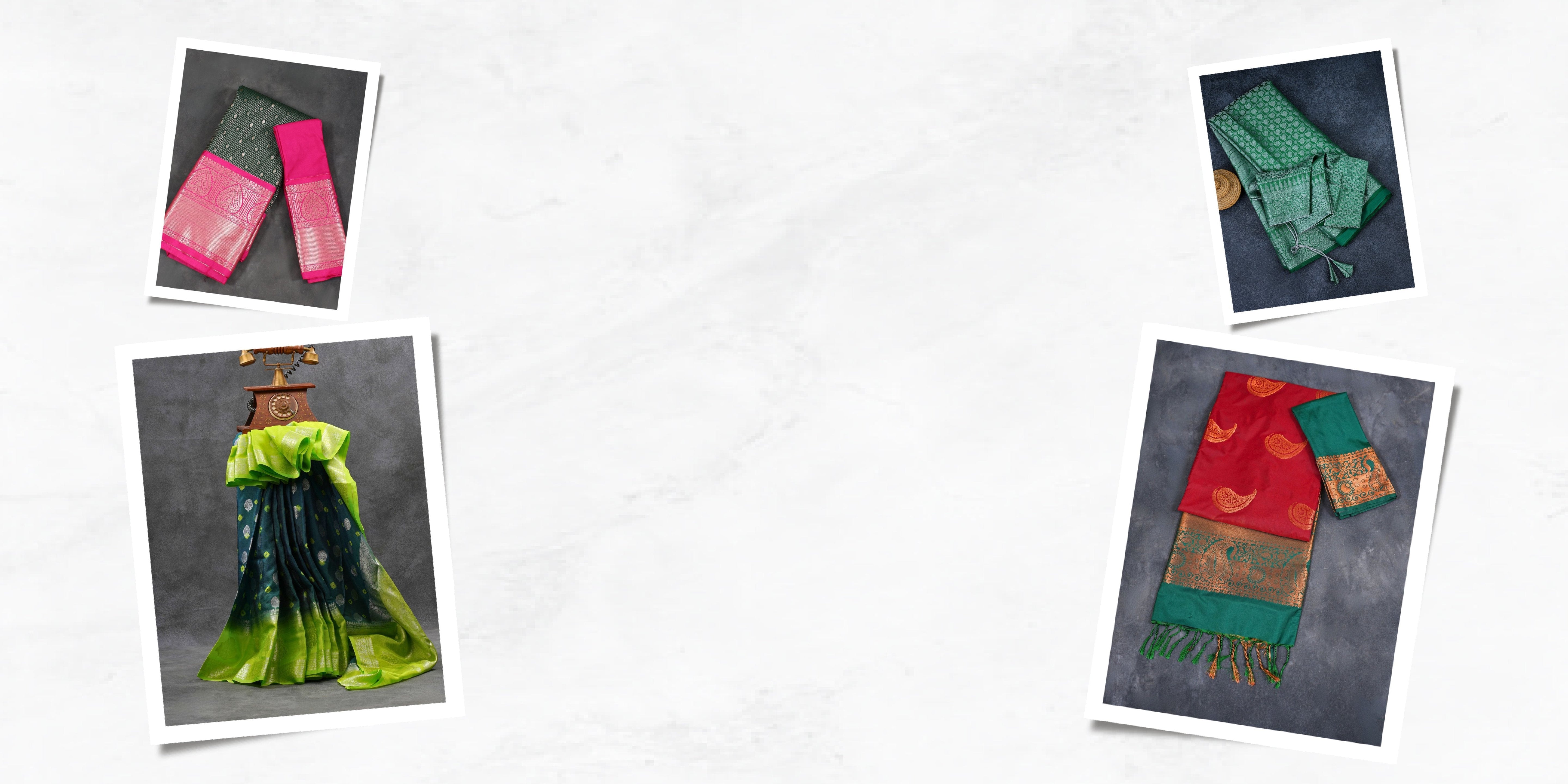
- Silk sarees — Kanchipuram, Banarasi, Patola, or regional variants
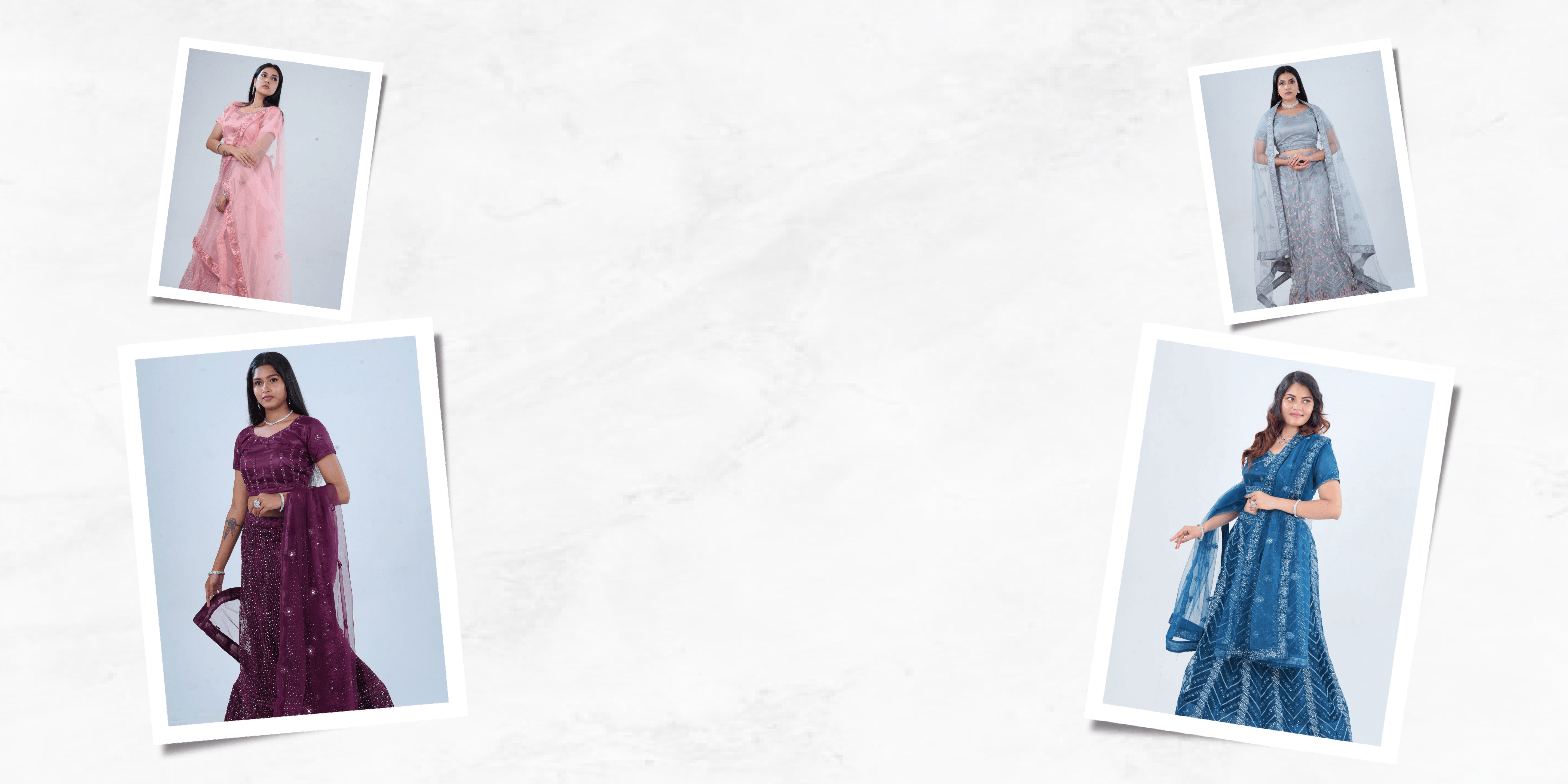
- Traditional lehengas in classic colors (gold, maroon, cream, peach)
- Heavy embroidered Anarkalis
Critical don't: Do not wear red, maroon, or any color traditionally associated with brides in the family's culture. When in doubt, ask someone close to the family.
For men:
- Sherwani for formal ceremonies
- Kurta pajama with matching dupatta
- Traditional dhoti kurta for South Indian weddings
- Veshti with angavastram for Tamil weddings
Reception
The reception is the most formal event. This is where everyone dresses to the nines.
For women:
- Heavy designer sarees or lehengas
- Bridal-adjacent outfits — just stop short of anything that could be mistaken for the bride
- Jewelry should match the outfit weight
For men:
- Formal bandhgala or sherwani
- Dark suits with traditional pocket squares
- Silk kurta with embellished jacket
Jewelry Guide for Women
Match jewelry weight to the event:
- Mehendi/Haldi: Minimal — studs, simple chain, few bangles
- Sangeet: Statement earrings, layered chains, bangles or a bracelet
- Wedding: Full set — necklace, earrings, maang tikka, bangles
- Reception: Most elaborate — often a different full set from the wedding
Color Etiquette — Critical Rules
Avoid wearing these at any Indian wedding (as a guest):
- Red or deep maroon: Traditional bridal colors in most Indian cultures
- Pure white: Associated with mourning in Hindu tradition
- Pure black: Some families consider it inauspicious for weddings
- Cream/ivory with heavy gold: Often bridal in South Indian weddings
Safe, celebratory colors: emerald, sapphire blue, royal purple, turquoise, peach, dusty pink, forest green, mustard, burnt orange.
Etiquette Tips
- Don't outshine the bride. Even if your outfit is beautiful, keep jewelry and makeup tasteful.
- Cover shoulders for ceremonies held in temples or traditional venues.
- Bring a dupatta or stole to cover your head if required.
- Eat before the wedding ceremony. Many ceremonies don't serve food until after — you'll be standing for a while.
- Ask about specific customs. Gujarati, Punjabi, and Tamil weddings have very different norms.
Building a Wedding Guest Wardrobe
If you attend Indian weddings regularly, three outfits will cover most occasions:
- A lightweight designer saree or lehenga for Sangeet/cocktail events
- A traditional silk saree or embroidered lehenga for wedding ceremonies
- A heavy formal outfit for receptions
Where to Shop
For women, browse our lehenga collection for Sangeet and wedding options, or our full saree collection for traditional wedding wear. For readymade blouses to pair with your saree, see the blouse collection.
For men, our men's collection has kurta sets, sherwanis, and traditional dhoti options.
Everything ships from our Milpitas, CA warehouse in 3–5 days — no customs delays or surprise charges, which matters when you're planning a wedding guest outfit on a timeline.

Written by JCS Fashions