Best South Indian Outfits for Naming Ceremonies — Sarees, Half Sarees & Kids Sets 2026
The naming ceremony — Namakaranam in Tamil, Namakarana in Kannada tradition, Naamkaran for Hindi-speaking families — is one of those occasions where the dress code isn’t written anywhere but everyone understands it. Silk is expected. Bright colors signal celebration. Showing up in Western clothes gets noticed, politely but pointedly. NRI families in the Bay Area typically have two to three weeks between confirming the date and the ceremony itself. Planning outfits in that window is manageable when you order from US inventory rather than waiting on India shipments.
The Mother’s Saree
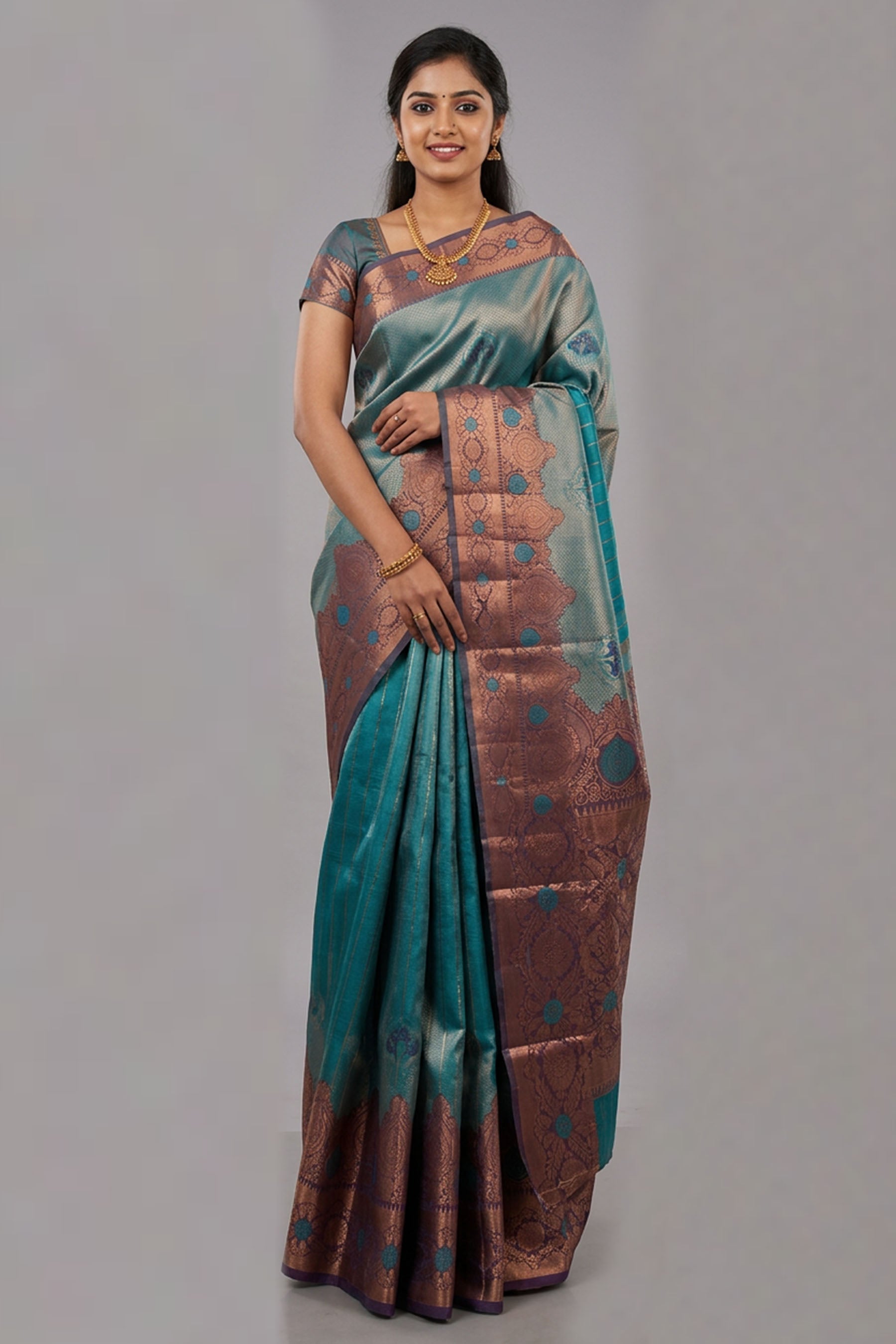
The mother holds the most prominent role at a naming ceremony, and most South Indian families hold a clear expectation: silk, in a celebration color. Parrot green, orange, mustard yellow, deep red: all auspicious choices. White with a gold zari border fits Tamil Brahmin ceremonies specifically. Muted tones like grey or beige read as unintentional, so skip them.
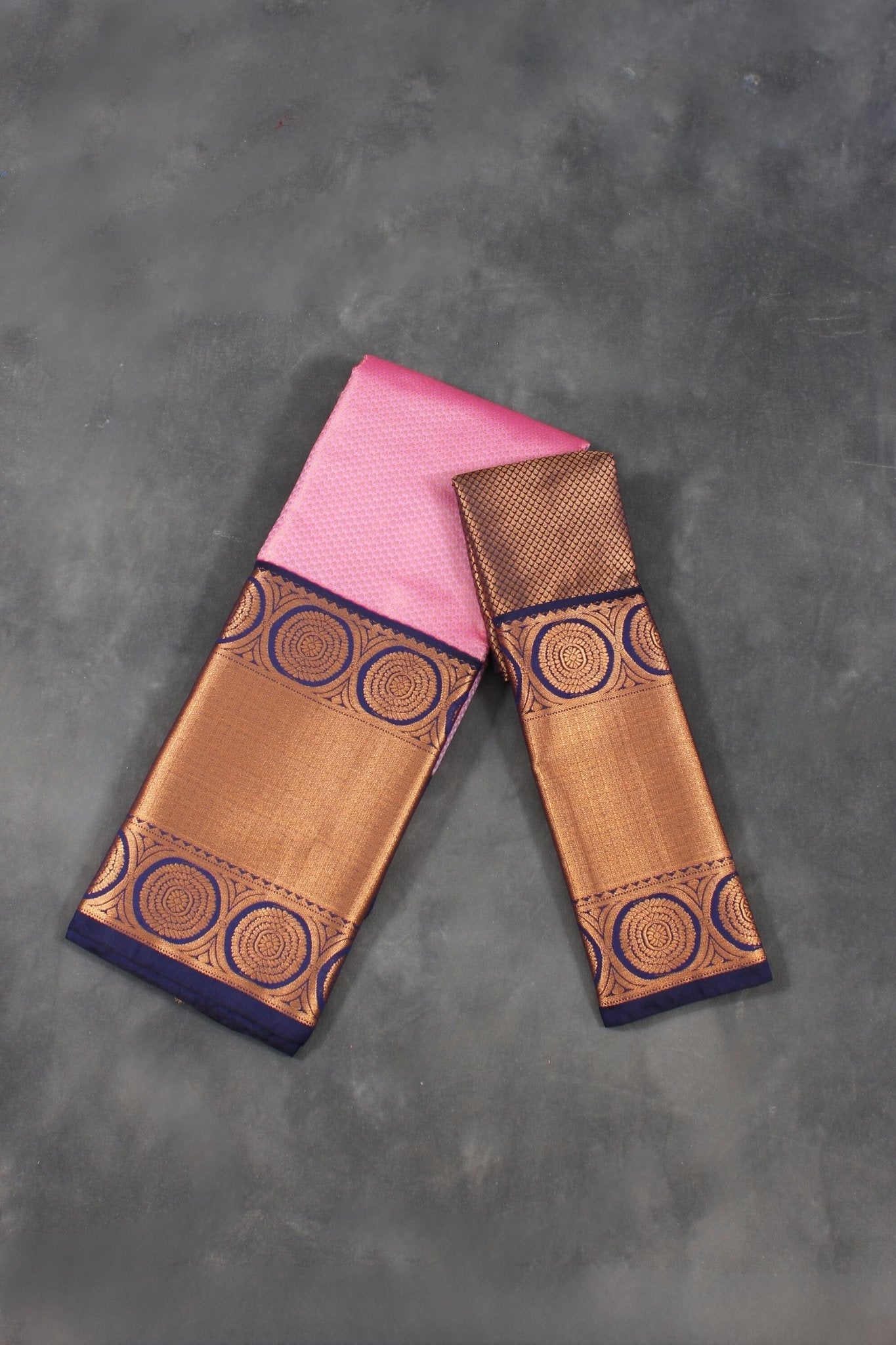
Kanchipuram silk is the standard for Tamil families. The woven zari body and thick border signal the occasion without needing explanation. Managing a full Kanchipuram drape while passing a newborn back and forth for hours is legitimately difficult, though. A soft silk or semi-silk saree with a contrasting pallu is a practical step down — still formal, noticeably lighter. Browse the designer saree collection for options at both weight levels and price points.

One detail that gets overlooked: pre-stitched blouses. The week before a naming ceremony is already chaotic with ritual prep, family arrivals, and catering. A saree with a ready-to-wear blouse removes one more last-minute task. For the mother specifically, this trade-off is worth more than a marginally nicer saree that still needs alteration.
Family Guests — Grandmothers, Aunts, and Friends
Paternal and maternal grandmothers should match the mother’s formality level. Mysore silk or cotton silk are sensible choices for older women who find heavier Kanchipuram pieces difficult to manage through a full morning of ceremony and photographs.
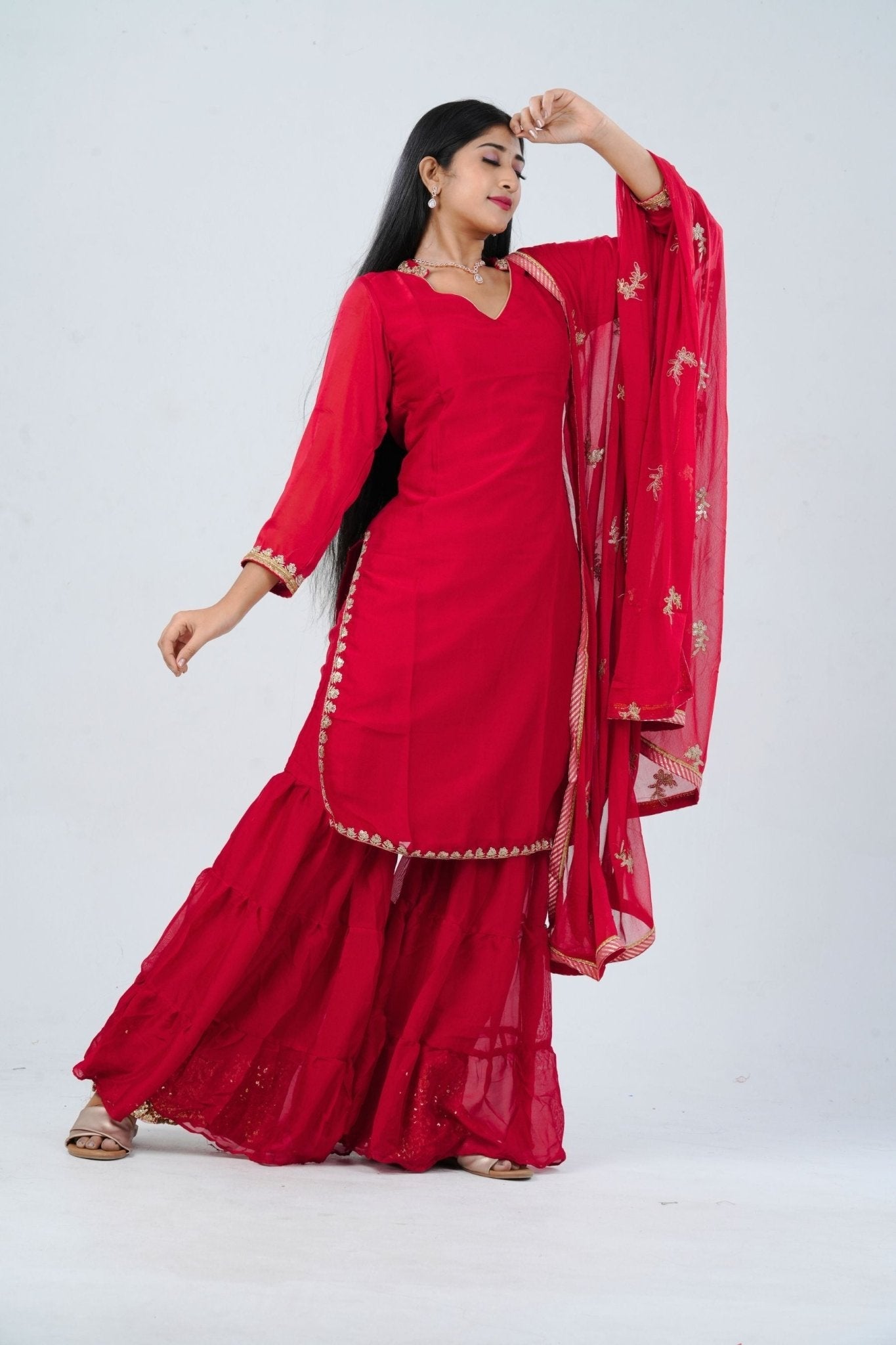
Aunts and close female friends have more latitude. A churidar set, a long Anarkali, or an ethnic kurta in a festive color fits well at most Tamil, Telugu, and Kannada naming ceremonies. The ethnic wear collection covers floor-length styles and churidar sets in ceremony-appropriate colors for anyone who wants to look polished without managing a full saree.

For guests outside the immediate family, a cotton saree is the right call: festive without overdressing. The sarees under $81 collection has a solid range of cotton and soft silk options that photograph well at morning events.
One thing to avoid: heavy embellished lehengas or very dark, formal styles. Those read as out-of-place at naming ceremonies, which tend toward morning-ritual energy rather than evening wedding aesthetics.
Girls’ Outfits — Pavadai Sets and Half Sarees
Older sisters and female cousins in the pre-teen range typically wear a pavadai-davani (half saree). For younger girls under ten, a pattu pavadai set is standard at South Indian naming ceremonies — bright silk in pink, green, or yellow, with a zari border or temple motif.
Maggam work pavadai sets photograph particularly well. Embroidery catches light differently than plain silk, and if you’re spending on a photographer, those prints will circulate in the family for decades.

Pre-teen girls in the nine-to-thirteen range can also wear a lehenga in silk or semi-silk as an alternative to the half saree. Browse kids’ pavadai sets and lehengas starting at $25. One firm sizing note: Indian ethnic wear for kids runs small. Order one size up for American-raised children.
A piece from the kids jewelry collection finishes the look. Simple gold-tone sets with temple motifs or small stones keep the aesthetic traditional without competing with the silk.
US Buyers: Shipping and What to Order First
For Bay Area families, ordering from India typically means three to six weeks of lead time, customs uncertainty, and size guessing from Indian charts with no easy return. That timeline rarely fits when ceremonies get confirmed two or three weeks out. JCS Fashions ships from California, with delivery in three to five business days — a meaningful difference when planning under real time pressure.
A few specific buying decisions:
- Kanchipuram silk ($100–150 range): Look for pieces with verified US inventory. These are appropriate ceremony picks at a price point that works for most families.
- Cotton sarees for guests ($40–80 range): Kerala cotton with zari borders reads as traditional even in informal family settings and fits any morning ceremony.
- Pre-stitched blouses: They cut out one tailor visit the week before the event. For the mother, that matters.
- Kids’ sizing: A child in US size 6 typically needs an Indian size 8. Size up by default.
Check the new saree arrivals for the most current inventory. Individual silk sarees move fast.
The naming ceremony is a morning ritual that produces photographs lasting decades. Silk for the mother is the baseline, not a luxury. Sort that out first, then work outward to family guests and the kids. Even two weeks out, three-to-five-day domestic shipping keeps a last-minute plan workable.

Written by JCS Fashions