Silk Dhoti Set for Men: The Complete Buying Guide
A silk dhoti set is one of the most elegant pieces a man can own. Whether it's for a wedding, a temple visit, a Tamil classical music concert, or an Onam celebration, the right silk dhoti transforms the occasion. But for buyers in the USA, navigating the options — fabric, length, border, set pieces — can be confusing.
Here's what to look for, what to avoid, and how to make sure your silk dhoti set actually works for the occasion you bought it for.
What Is a Silk Dhoti Set?
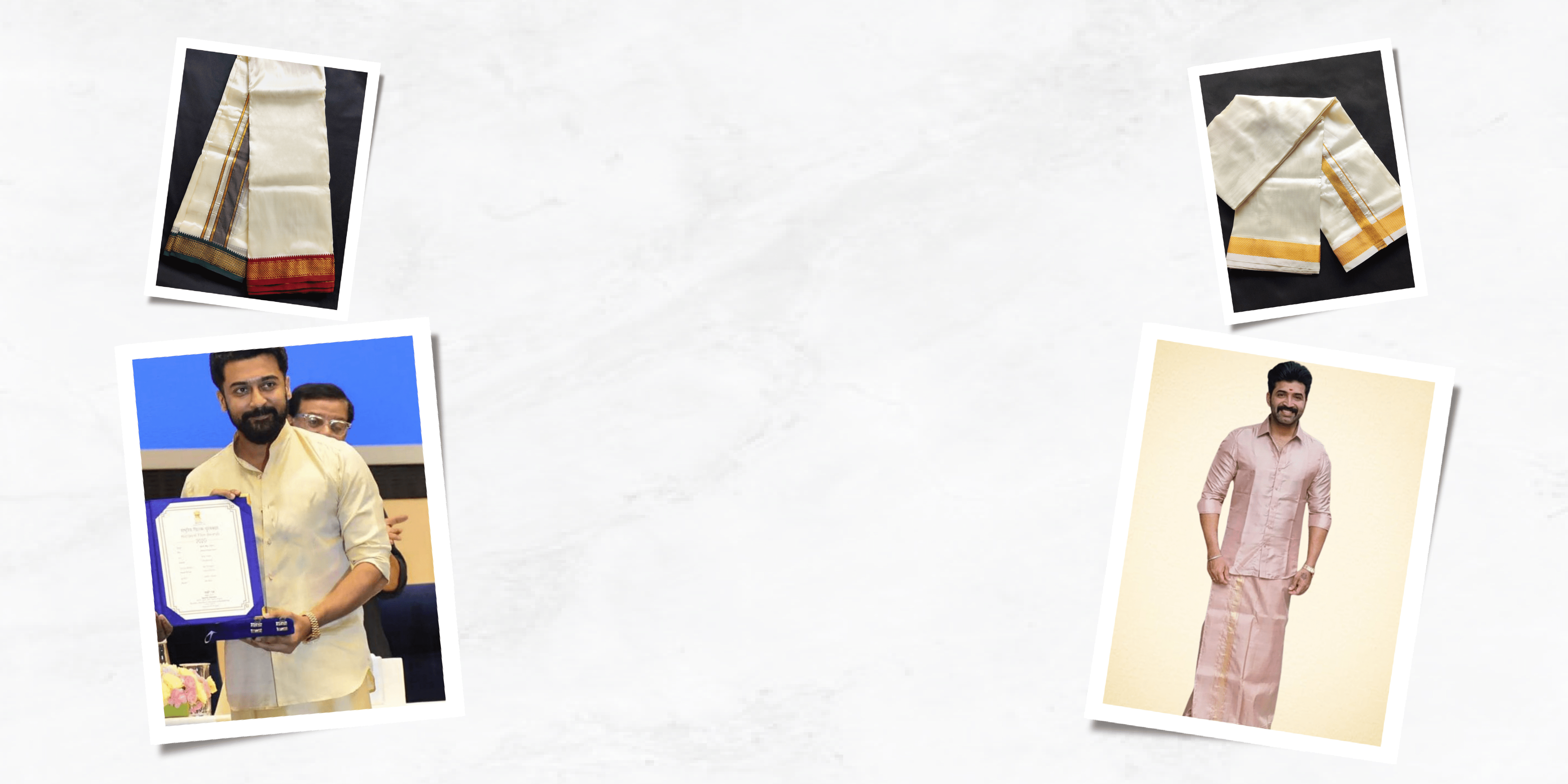
A traditional silk dhoti set usually includes two pieces: the dhoti (the main lower garment, typically 2.5 to 4 meters long) and the angavastram or uttareeyam (a matching shoulder cloth, around 2 meters). Some sets also include a kurta or an upper-body drape.
The dhoti is tied around the waist and pleated in front, while the angavastram is draped across one shoulder or folded and placed over it. Together, they form the complete traditional look used across South Indian communities — Tamil, Telugu, Malayali, and Kannada — with small regional variations.
Occasions That Call for a Silk Dhoti Set
- Weddings: Both the groom and close male family members wear silk dhotis. The groom often wears a heavier, brighter silk — cream, gold, maroon, or deep green — while guests wear lighter silks.
- Temple visits and pujas: A plain white or off-white silk dhoti with a narrow gold or maroon border is the classic choice.
- Classical music and dance events: Artists and audience members often wear silk dhotis for Carnatic concerts, Kathakali performances, and similar cultural events.
- Festivals: Onam, Pongal, Ugadi, and Diwali are occasions where silk dhotis are traditional. Kerala families often prefer cotton with a gold border for Onam specifically.
- Housewarmings and religious ceremonies: Grih pravesh, thread ceremonies, and other sacred events call for a silk dhoti.
Types of Silk to Know
Pure Silk (Pattu): The most premium option. Heavy, lustrous, and holds its shape beautifully. Expensive but lasts decades when cared for properly. Best for weddings and major ceremonies.
Art Silk (Faux Silk): A synthetic alternative that mimics the sheen of real silk at a fraction of the price. Lighter, easier to care for, and good for occasional wear. Not as breathable as pure silk.
Tussar Silk: A raw silk with a natural, textured finish. Less shiny than pattu but has a distinctive earthy look. Good for cultural events where understated elegance is the goal.
Cotton Silk Blend: A mix of cotton and silk that's more breathable and less delicate. A practical choice for long ceremonies in warm weather.
Kancheepuram Silk: A specific variety from Kanchipuram, Tamil Nadu, known for its weight, rich colors, and thick gold zari borders. The premium choice for weddings.
How to Choose the Right Size
Unlike western trousers, dhotis don't come in waist sizes — they come in length. The standard dhoti length is 4 meters (or 8 "mozham" in Tamil, roughly 5.5 meters for double-length styles).
For most adults, a 4-meter dhoti is sufficient. Taller men (6 feet and above) or those who want deeper pleats should look at 4.5 to 5-meter options. The angavastram is usually 2 to 2.5 meters, which fits most body types without adjustment.
Border Styles and Their Meaning
The border (thalaippu) often signals the formality of the occasion:
- Narrow gold border (1–2 inches): Everyday temple wear, casual ceremonies
- Medium border (3–4 inches): Wedding guest attire, cultural events
- Wide border (5+ inches): Groom attire, major ceremonies
- Contrast border (maroon, green, red): Festive and celebratory occasions
Draping a Silk Dhoti: The Basics
There are two main styles of draping:
Panchakacham (Madisar/Tamil Brahmin style): The dhoti is tucked between the legs and secured at the back, creating a trouser-like effect. Worn for religious ceremonies and traditional events.
Regular drape: The dhoti is tied at the waist and pleated in the front. Simpler to wear and more common at weddings and public events.
If you're new to dhotis, practice the regular drape a few times before the event. YouTube tutorials walk through both styles in detail. For first-timers, many families keep a safety pin or small hook to secure the pleats discreetly.
Caring for Silk Dhoti Sets
- Always dry clean pure silk. Home washing ruins the weave and dulls the shine.
- Store flat or rolled, not folded. Fold creases become permanent on silk.
- Use a cotton muslin wrap. Plastic bags trap moisture and cause yellowing.
- Keep away from perfume and hair spray. Chemical sprays can spot the fabric.
- Rotate your collection. Wearing the same silk dhoti repeatedly without rest causes uneven wear.
Where to Buy in the USA
Buying silk dhotis in the USA has two main options — importing from India (2–4 week wait, customs charges, uncertain quality) or buying from a USA-based Indian boutique (3–5 day shipping, direct returns if needed).
If you're in the Bay Area or anywhere in the USA, our dhoti and veshti collection ships from our Milpitas, CA warehouse with no customs delays. You can also browse the full men's ethnic wear collection for kurtas, angavastrams, and accessories to complete the look.
For high-stakes occasions like weddings, we recommend ordering at least 2–3 weeks in advance to allow for any alterations or exchanges.

Written by JCS Fashions