Essential Indian Wedding Jewelry: A Guide to Bridal and Guest Sets
Indian wedding jewelry isn't just accessories — it's the finishing element that transforms a beautiful outfit into a memorable look. The right jewelry set can make a plain saree feel regal, while the wrong pieces can flatten a gorgeous lehenga. For brides, jewelry is nearly as important as the outfit itself.
Here's a practical guide to Indian wedding jewelry — what the bride wears, what guests should choose, and how to coordinate pieces into a cohesive look.
Essential Bridal Jewelry Pieces
A traditional Indian bridal jewelry set includes multiple pieces working together. You don't need every piece, but knowing what exists helps you choose.
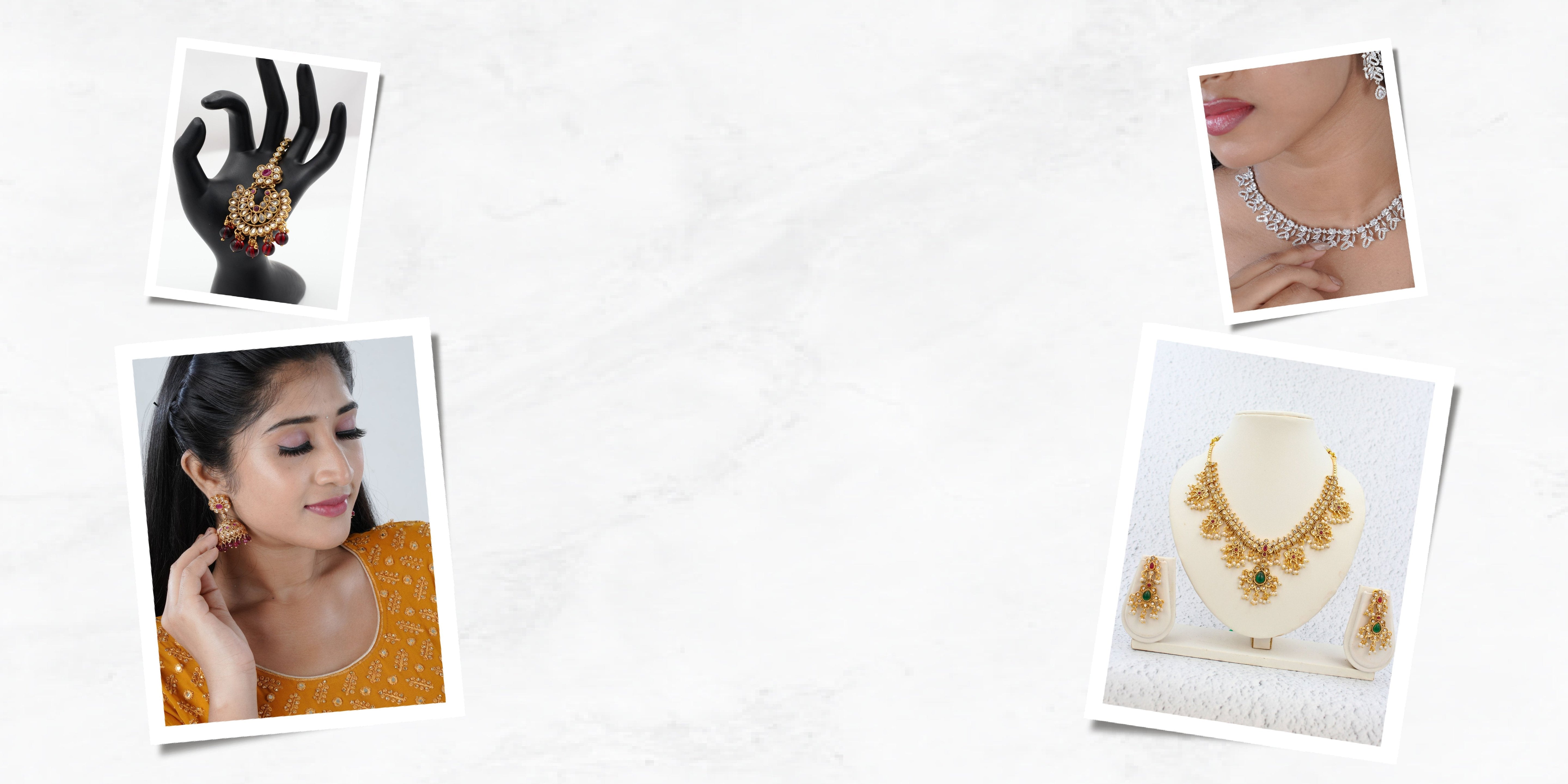
Maang Tikka: The forehead ornament with a pendant that sits on the hair parting. Traditional and symbolic of marital status.
Necklace Set (Haar): The centerpiece. Typically a multi-layered necklace with matching earrings. Bridal necklaces range from short chokers to long haar chains.
Earrings (Jhumkas or Chandbalis): Statement earrings that complement the necklace. Bridal versions are usually heavy and ornate.
Nose Ring (Nath): A large hoop or stud on the nose, often connected to a chain attached to the hair or ear.
Bangles (Choora): Stacked bangles worn on both wrists. In Punjabi tradition, brides wear red and white ivory choora for up to 40 days post-wedding.
Kamarbandh (Waist Belt): Ornamental belt worn over the saree or lehenga.
Payal (Anklets): Silver or gold anklets with small bells that jingle when walking.
Hath Phool (Hand Jewelry): A connected piece linking a ring to a bracelet through chains across the back of the hand.
Rings: Both the wedding ring and additional traditional rings.
Regional Variations in Bridal Jewelry
Indian wedding jewelry varies dramatically by region. A few to know:
South Indian (Tamil, Telugu, Malayalam): Temple jewelry style — gold pieces featuring Hindu deities, intricate carvings, and traditional South Indian motifs. Often pure gold with minimal stones.
North Indian (Punjabi, Delhi, Rajasthan): Kundan, polki, and meenakari work. Colorful stones, enamel painting, elaborate settings. Heavier and more visually complex.
Bengali: Filigree work with simple but elegant designs. The shakha-pola (white and red bangles) and nose ring are iconic.
Maharashtrian: Nath (large traditional nose ring), kolhapuri saaj necklace, thushi choker.
Gujarati: Heavy gold jewelry with bandhej-inspired enamel work. Layered necklaces and ornate earrings.
Jewelry for Wedding Guests
As a guest, your jewelry should be less elaborate than the bride's. Three tiers based on event formality:
Minimal (Mehendi, Haldi):
- Small studs or light jhumkas
- 1-2 bangles or a simple bracelet
- Small maang tikka (optional)
Moderate (Sangeet):
- Statement earrings — chandelier or chandbalis
- Light layered necklace
- Bangle stack (5-7 bangles)
- Maang tikka if wearing an open-hair style
Full Set (Wedding ceremony, Reception):
- Coordinated necklace and earring set
- Maang tikka
- Multiple bangles
- Rings
- Optional: nose ring, anklets, kamarbandh
Coordinating Jewelry with Your Outfit
The goal is harmony, not matchy-matchy. A few rules:
- Match metal tones to embroidery. Gold-embroidered outfits pair with gold jewelry. Silver zari pairs with silver or antique gold jewelry. Copper zari pairs beautifully with rose gold or antique pieces.
- Pick up accent colors. If your saree has ruby-colored zari, add ruby stones in your necklace or earrings.
- Balance weight. Heavy outfit = heavy jewelry or minimal jewelry (not medium). Light outfit = more latitude, but stick to one statement piece.
- Mind the neckline. Deep necklines call for longer necklaces. High necklines favor chokers or statement earrings with no necklace.
Material Choices
- Pure gold (22K): Traditional, valuable, maintains value over time. Most expensive.
- Gold-plated (brass or silver base): Affordable, looks like gold, lasts 3-5 years with proper care.
- Silver (oxidized or polished): Traditional for tribal and garba-style jewelry.
- Kundan/Polki: Semi-precious stone settings, very popular for wedding jewelry.
- Imitation/Costume jewelry: Budget-friendly, works for single events.
For guests attending multiple weddings per year, investing in one solid gold-plated set plus a few imitation pieces is more practical than buying new jewelry for each event.
Jewelry Etiquette at the Wedding
- Don't outshine the bride. Keep your jewelry one tier simpler than what you'd expect the bride to wear.
- Avoid red-and-white kundan if the bride will wear it. Ask in advance if unsure.
- Pearls are always safe. Considered auspicious and rarely clash with other guests' choices.
- Match to the time of day. Daytime events favor gold; evening events work with diamonds, kundan, or meenakari.
Storing and Caring for Indian Jewelry
- Store in cloth pouches. Avoid plastic bags — they trap moisture.
- Separate different metals. Gold and silver can tarnish each other.
- Avoid perfume contact. Apply perfume before jewelry, always.
- Clean with dry cloth. Use a soft cloth to remove skin oils after each wear.
- Oxidized silver needs specific care. Don't polish — it removes the oxidized finish intentionally designed into the piece.
Where to Shop
Our Indian jewelry collection includes pieces for every event — from minimal studs for Mehendi to full bridal sets for the wedding day. Styles span Kundan, polki, oxidized silver, and temple jewelry, with options for every budget.
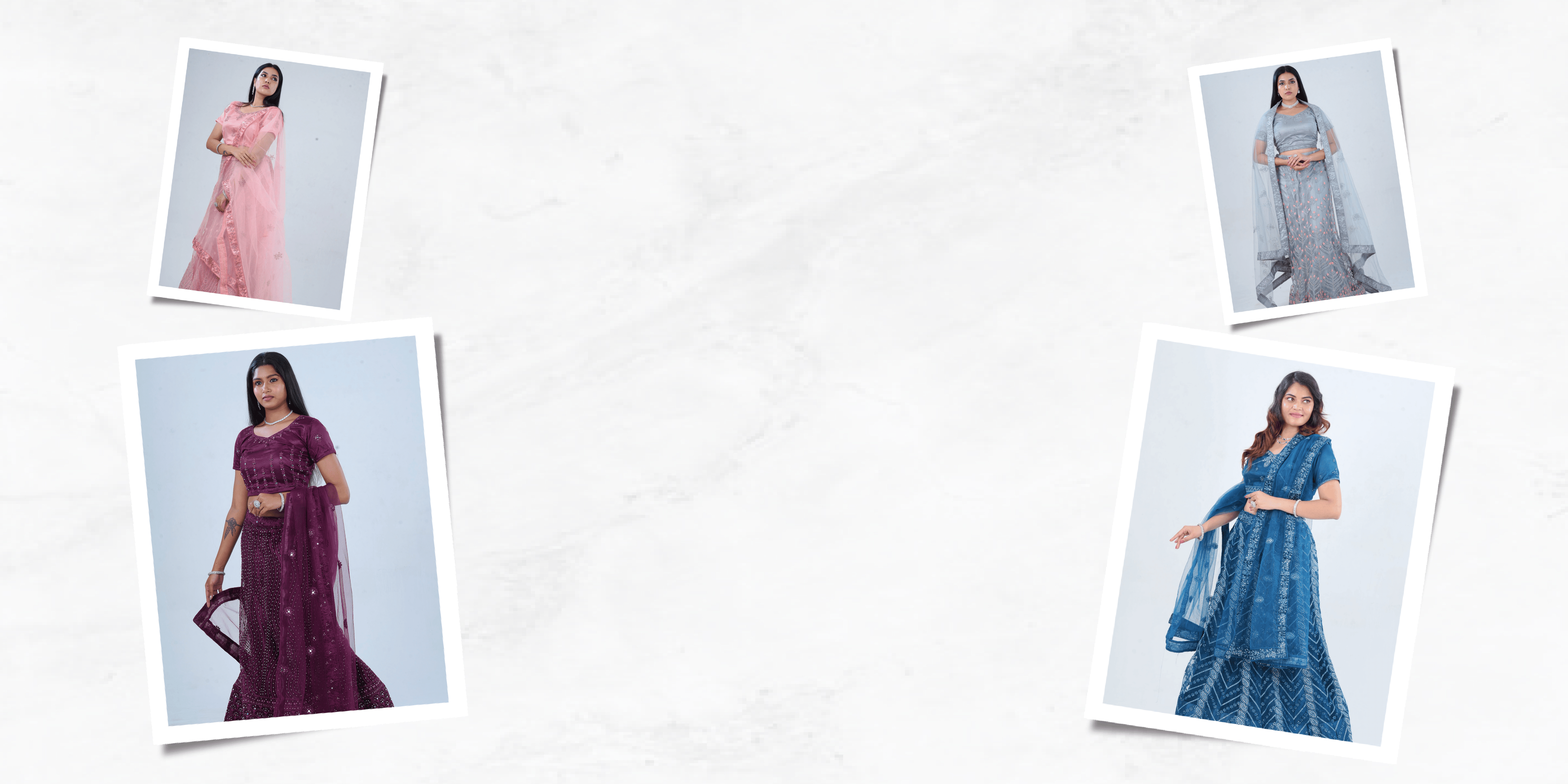
For coordinated outfit-and-jewelry looks, browse the lehenga collection or the saree collection — both curated for wedding occasions.
Every piece ships from our Milpitas, CA warehouse in 3–5 days.

Written by JCS Fashions