Best Indian Ethnic Wear for Bay Area Navratri & Garba Nights 2026
Navratri in the Bay Area runs bigger than most outsiders expect. The Fremont grounds, Sunnyvale community centers, South Bay temple complexes: garba nights fill up fast, and the dress code at most dandiya events leans solidly traditional. The question most Bay Area women shopping for Indian ethnic wear ahead of Navratri are actually asking from June onward isn't about customs. It's which outfit to buy, in which fabric, at which price point, and whether it arrives before mid-October when the events start.
This is that buying guide.
Chaniya Choli: The Right Pick for Active Garba Nights
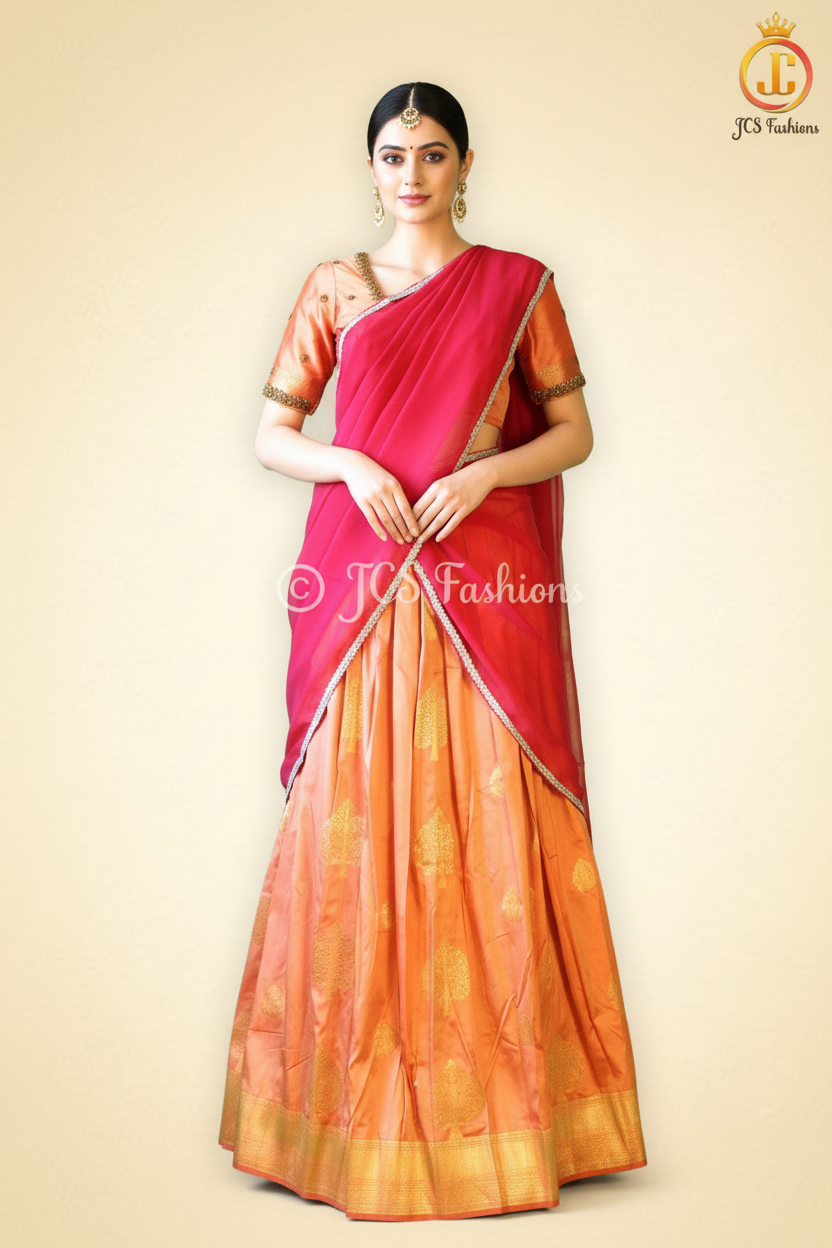
Nothing else moves the way a chaniya choli does on the garba floor. The flared skirt, the fitted choli top, the dupatta swinging behind you — it's built for dancing, and the silhouette fits every Bay Area event from the main stage to the outer circles.
The practical question is fabric weight. Bay Area Navratri events split into two categories: outdoor grounds in Fremont and Sunnyvale where October evenings cool off fast, and indoor venues with stage lighting that runs warm. Outdoor events call for a heavier cotton-blend or semi-silk chaniya that holds up against the breeze. Indoor venues are better served by georgette or lighter prints, because the floor gets warm quickly once garba starts.
If you're going to one high-visibility event where photos matter, a brocade or embroidered chaniya choli in the $80–120 range is worth it. For covering multiple evenings without obvious repeats, printed cotton in the $45–60 range is more practical. The Chaniya Choli collection carries both.
Sizing note: for chaniya choli, the blouse top is the critical fit. Sizes in M/38 and L/40 go first. The skirt is usually adjustable at the waist, so focus on getting the right choli top size and work from there.
Color choice: what actually works under stage lighting
Orange, red, and bright yellow look vivid in daylight but disappear under colored LED stage lights at most indoor dandiya venues. Deep jewel tones (royal blue, forest green, dark purple, magenta) photograph sharper and hold up when you're moving. Save the bright colors for outdoor events or the morning pooja where natural light handles things.

Lehengas and Anarkalis for Navratri
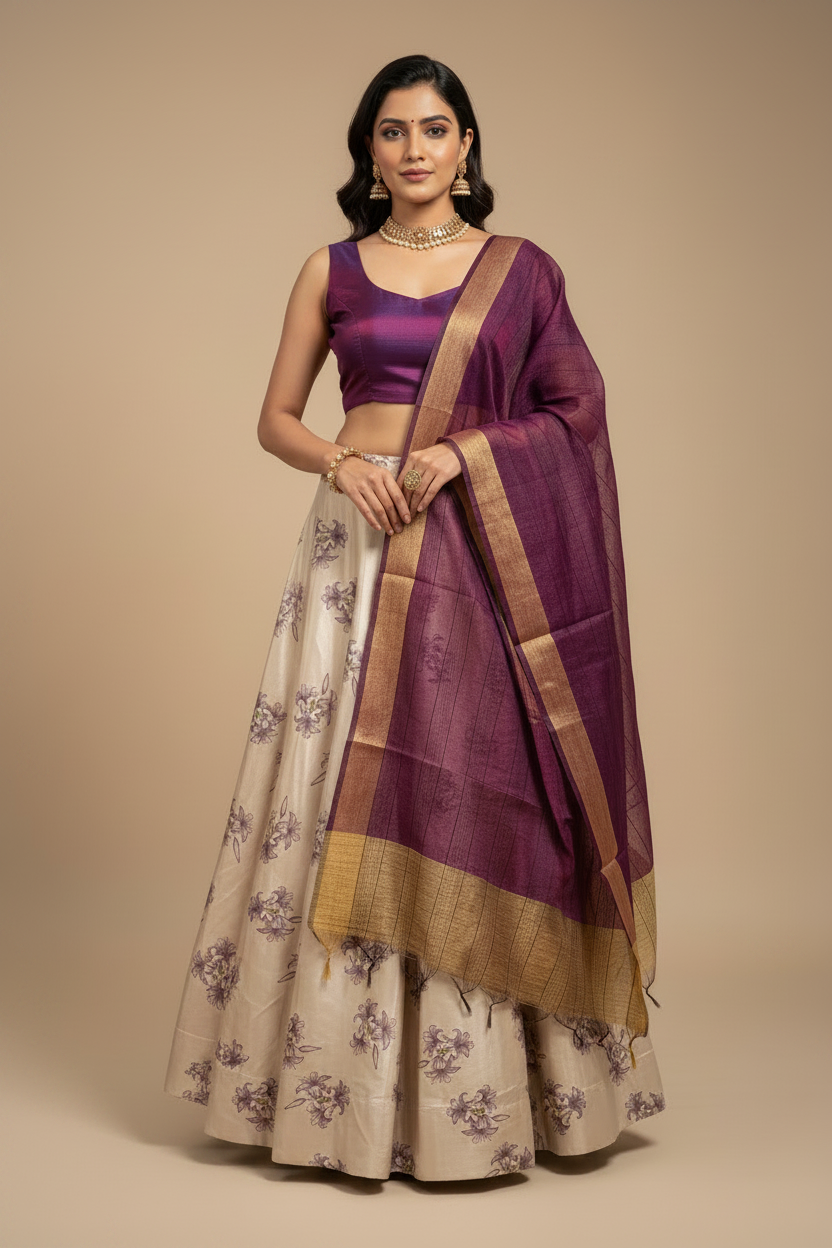
A lehenga covers similar ground to chaniya choli: flared silhouette, dupatta, choli top. It reads slightly more formal and less traditionally garba in feel, which matters depending on the crowd. For temple-organized community events, chaniya choli fits the occasion better. For private parties or a fashion-forward group, a lehenga is the better call.
The crop-top lehenga format: short blouse, full skirt, lightweight dupatta. It works well for active garba and dandiya nights. Printed taffeta silk around $45 gives you movement without weight. Heavier Banarasi silk pieces above $100 are better suited for ceremonial evenings than active dancing. The Designer Lehenga collection covers both price points.
For women who'd rather not manage a separate dupatta on a crowded garba floor, a floor-length Anarkali gown solves the problem cleanly. It moves well, holds its shape, and a sequin Anarkali with a Banarasi dupatta can go from garba directly to dinner without a costume change. The Anarkali collection has pieces starting at $35.

Where Sarees Fit in Navratri
Sarees work for Navratri but not for garba nights. Six yards of drape and fast dandiya move in opposite directions. The pooja evenings, community prayer nights, and the ceremonial Day 1 and Day 9 gatherings are where silk sarees belong. At most Bay Area Navratri events, you'll see them in numbers on those evenings.
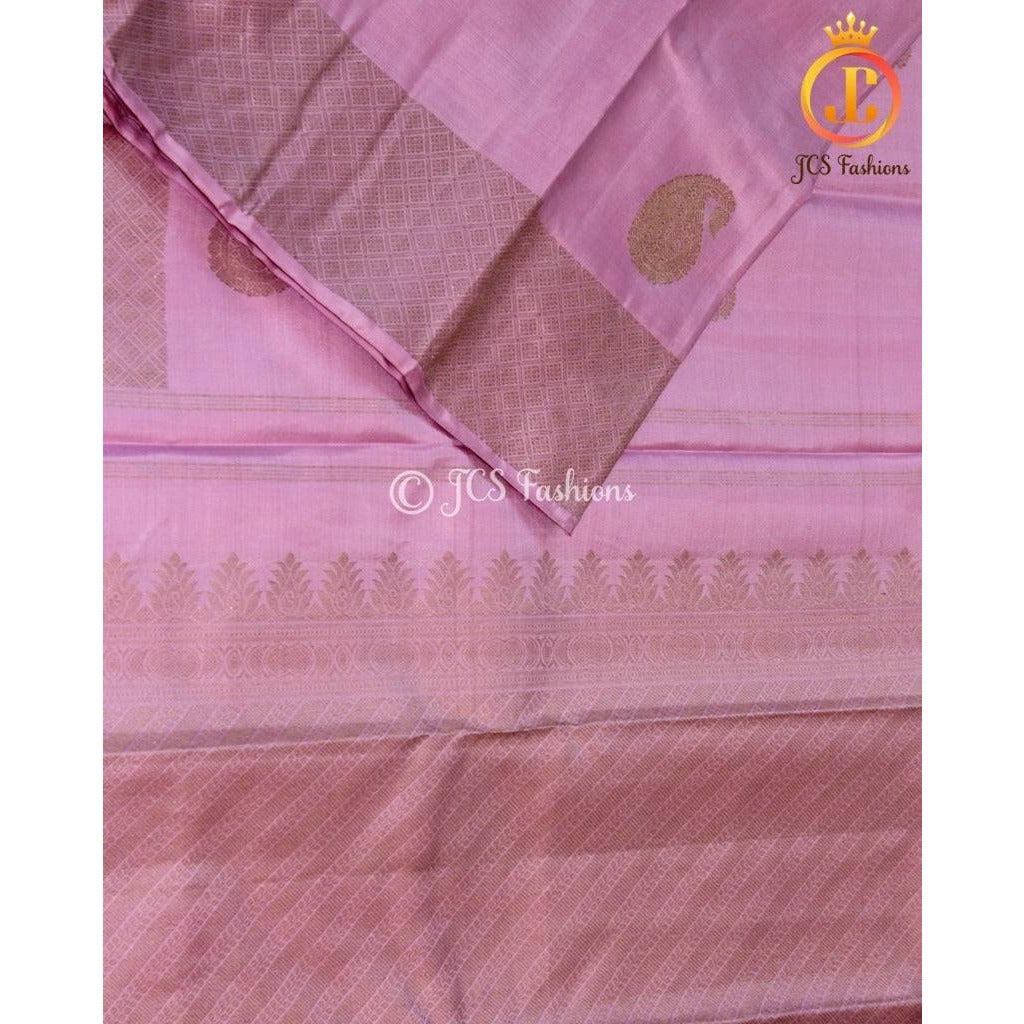
For those occasions, Kanchipuram and Uppada silk are the right choices. Orange, green, and deep red carry the traditional Navratri palette well in pooja settings. An orange Kanchipuram with gold zari handles both the prayer ceremony and an evening dinner reception without needing a change. If you're new to wearing a saree and concerned about managing the drape, a Kanchipuram's firmer body is more forgiving than a lightweight crepe. The Designer Sarees collection has options at different price points.

How to Plan for Multiple Nights Without Overbuying
Most Bay Area women attend three to four Navratri events, not nine. The practical plan is two outfits: one lighter chaniya choli or lehenga for the active garba nights, one heavier saree or dressy lehenga for the ceremonial evenings.
Accessories extend both pieces further. Pair the same chaniya choli with jhumkas one night and a statement necklace set the next, and most people at a large Bay Area event won't notice the repeat. The Complete Jewelry Collection has hip chains, layered necklace sets, and garba-appropriate earrings that pair with chaniya choli and lehenga both.
Don't Wait Until October
Bay Area demand for Indian ethnic wear for Navratri spikes in late September. Sizes in popular garba outfits, especially chaniya choli and lehenga in M/38 and L/40, sell out two to three weeks before events start. Navratri 2026 runs October 11–19, and the big Bay Area garba nights start September 25 — so the shopping window is now, and the collection is 10% off through October 19.
JCS Fashions ships from California, so there's no customs hold or three-week wait from India. Bay Area orders arrive in three to five business days, which also keeps a late-September order viable if you find the right piece closer to the date.
Browse the All Salwars & Kurtis collection for sharara sets and ethnic kurtis that work across multiple Navratri evenings, or start with the Complete Lehenga Collection if you're already set on a lehenga. Both are stocked with 2026 arrivals.

Written by JCS Fashions