Best Sarees for Indian Festivals 2026 — Silk, Georgette & Cotton Picks That Ship from California
Festival season in the Indian calendar runs nearly year-round. Pongal in January, Ugadi in the spring, Navratri through October, Diwali in November. The occasions stack up fast, and for Indian women living in the US, the same question comes up every time: which saree actually works for this event, and where do I get it fast enough to wear?
This guide skips the fabric history. Three materials cover nearly every festival situation, and knowing which one fits your occasion makes the rest of the decision much simpler.
Chiffon and Georgette: Built for Busy Festival Nights
Chiffon and georgette are the workhorses of the Indian festive wardrobe. If you're attending a garba night, a Diwali puja, or a long evening function with a lot of standing and moving, these fabrics hold up. They're lightweight, breathable enough for crowded temple halls, and they drape without requiring a professional to pin them.
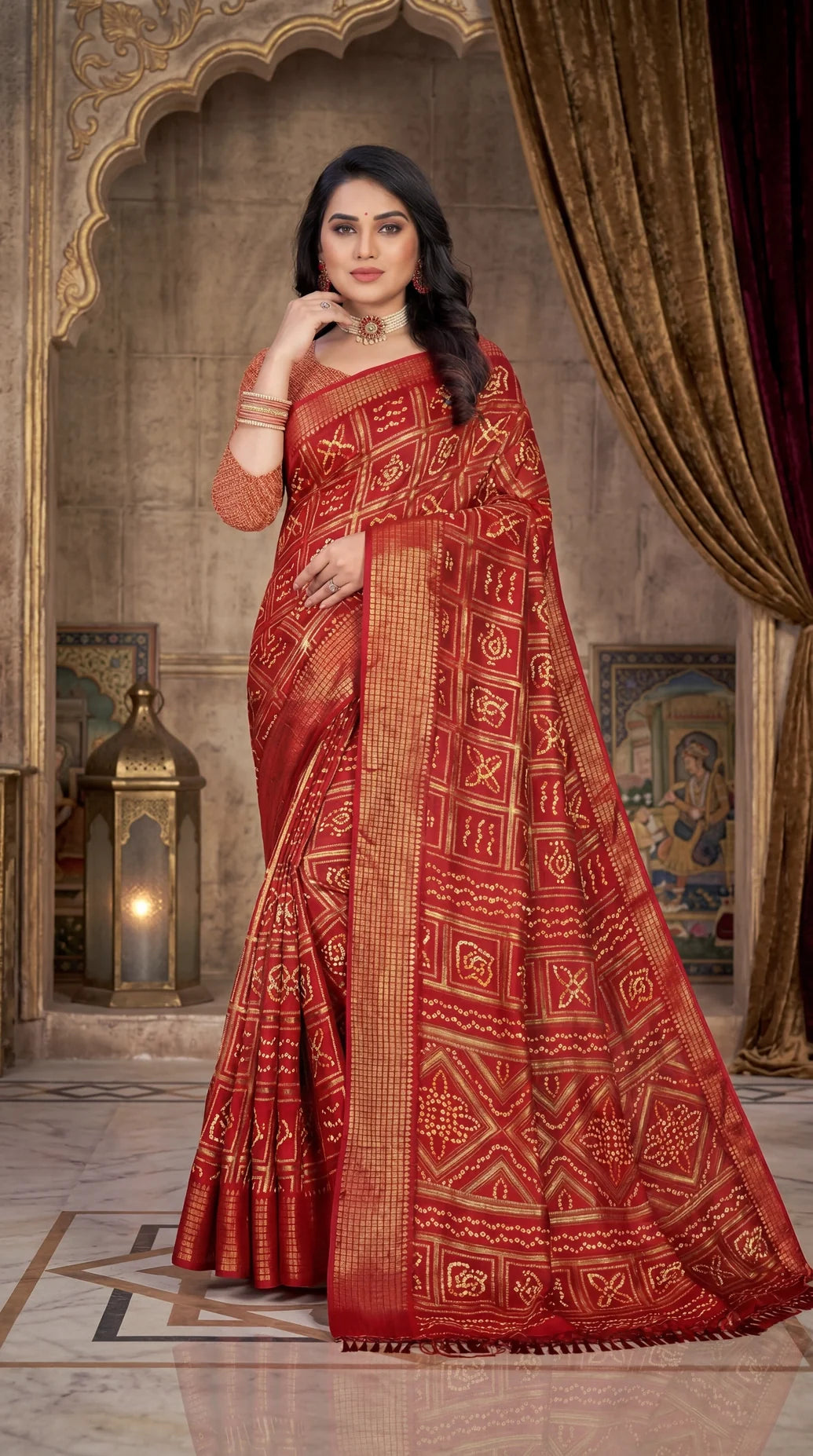
Bandhani prints on chiffon are a strong choice for 2026. The tie-dye pattern reads as traditional without adding visual weight, and the gold zari motifs catch low indoor light well. A yellow or red version works cleanly for Navratri, Diwali, or any fall festival where bold color makes sense.

The saree new arrivals collection has multiple bandhani chiffon options in festive colors. Both the yellow and red versions are priced at $55 and run 6.3 meters, enough to drape with a generous pallu.
For garba nights specifically, chiffon edges out georgette slightly because it holds pleats better when you're moving. Georgette is the more practical choice for everything else, including outdoor functions and California's warm fall weather.
Good for: Women attending garba, outdoor temple functions, or multi-hour evening programs where comfort matters as much as appearance.
Skip it when: You're near oil lamps or diyas. Chiffon is a thin synthetic that doesn't respond well to direct heat or flame.
Silk Sarees: For the Occasions That Require One
Silk is not the right call for every festival. It's too heavy and warm for outdoor garba. For a Diwali reception, a naming ceremony, or any puja where you're the host — it's exactly right.
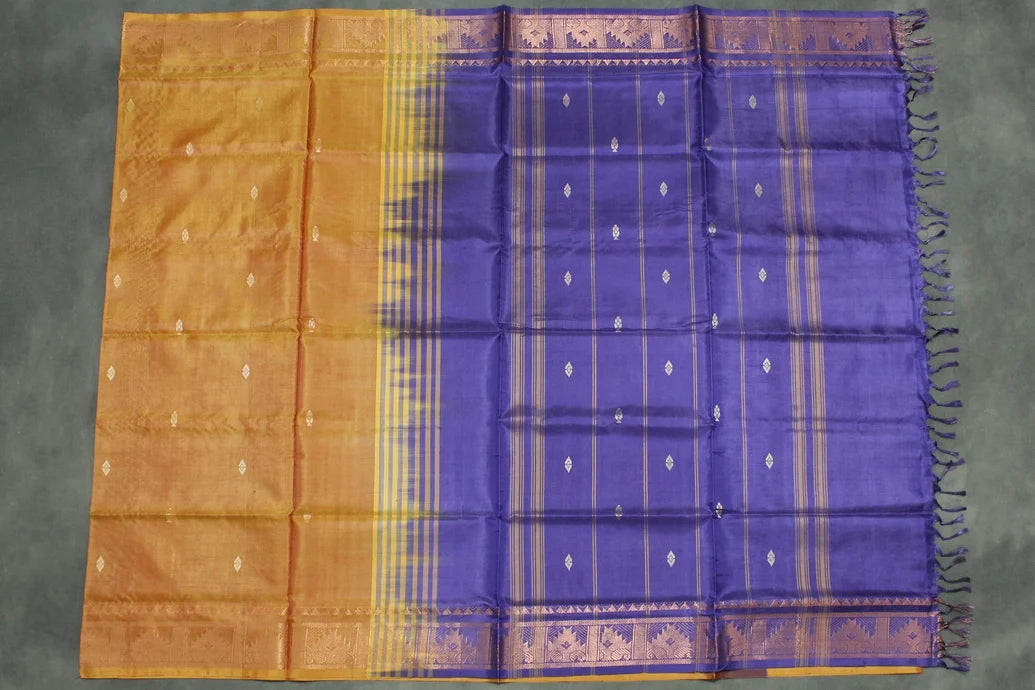
Pure Kanchipuram silk holds a grand pallu without pins, and the zari work outlasts most other fabrics by decades. A Kanchipuram saree bought this year can reasonably still be ceremonial wear in fifteen years. That's not the case with printed synthetics.

The pure silk sarees collection carries Kanchipuram options in pink, jewel tones, and neutrals, starting around $135. That price reflects actual Kanchipuram construction: heavy zari borders, multi-yard pallu, handwoven silk base. If the budget is tighter, the designer saree collection has semi-silk options with a similar look.
Pair your silk saree with a matching silk or brocade blouse. Synthetic blouses don't sit right against the weight of Kanchipuram fabric, and the difference shows in photos.
Good for: Hosting a puja or function, attending South Indian weddings, or buying a saree meant to last decades.
Skip it when: The event involves prolonged movement or extended outdoor time in warm weather.
Cotton Sarees: The Underrated Festive Pick
Cotton gets dismissed as everyday wear. That's a narrow read for Kalyani cotton. The woven variety with gold-tone borders reads dressy at daytime pujas, Golu visits, and temple functions where you'll sit on the floor for a while. The fabric breathes, doesn't hold body heat, and doesn't need dry cleaning.
One thing Kalyani cotton doesn't get enough credit for: it irons flat in minutes and stays crisp through a full day of temple visits and Golu rounds. Silk needs a steamer and careful handling near heat. Chiffon wrinkles the moment you sit down.

Lavender with a gold zari border is a low-risk color for 2026. It photographs well under both natural and indoor lighting and works across multiple fall festivals without looking like a repeat. The breathable sarees collection covers cotton and linen options in the $50 to $60 range.
Good for: Daytime events, multi-festival stretches, anyone who runs warm in crowded spaces.
Skip it when: The event is an evening reception where you want fabric with more presence.
Matching Budget to Occasion
Fabric choice and budget usually align naturally:
- Under $50: Georgette basics and simple cotton options. The sarees under $50 collection has over 500 choices.
- $50 to $100: Chiffon bandhani prints, Kalyani cotton, and semi-silk. The sarees under $100 collection is a sensible first stop.
- $100 and up: Pure silk. Justified for significant occasions, and the cost-per-wear math works in its favor over years.
If you're shopping for the full festival season, one cotton saree and one chiffon saree will carry most daytime and evening events. Add silk when you're the host or when the occasion is formal enough to call for it.
Where to Shop
If you're looking for sarees for Indian festivals in 2026, the full JCS Fashions saree collection has over 1,500 options organized by fabric, price, and style, with new arrivals added weekly. Every saree ships from California, which means standard domestic timelines with no customs delays or airfreight costs.
Festival season in the US fills up fast. The sarees available in August are often sold out by October. If you're shopping for a specific event, it's worth buying now rather than waiting.

Written by JCS Fashions