Best Karwa Chauth Outfits for NRI Women 2026 — Sarees & Suits That Ship from California
Karwa Chauth falls on October 28 this year. For NRI women in the US, that's a ten-week window that seems generous until early October arrives and you're still browsing saree listings at midnight. Ordering from India cuts it close — customs clearance alone can eat a week, and sizing exchanges across international shipping are rarely worth the effort.
This is a buyer's guide, not a cultural overview. The focus is on specific fabrics, silhouettes, and colors that hold up for this occasion, and on options that ship domestically so you're not at the mercy of international transit timelines.
Sarees — The Three Fabrics Worth Considering
Not all sarees photograph the same way in Karwa Chauth lighting, which tends to be warm, low-key, and either candlelit or outdoor evening. The fabric choice matters more than most shopping guides acknowledge.
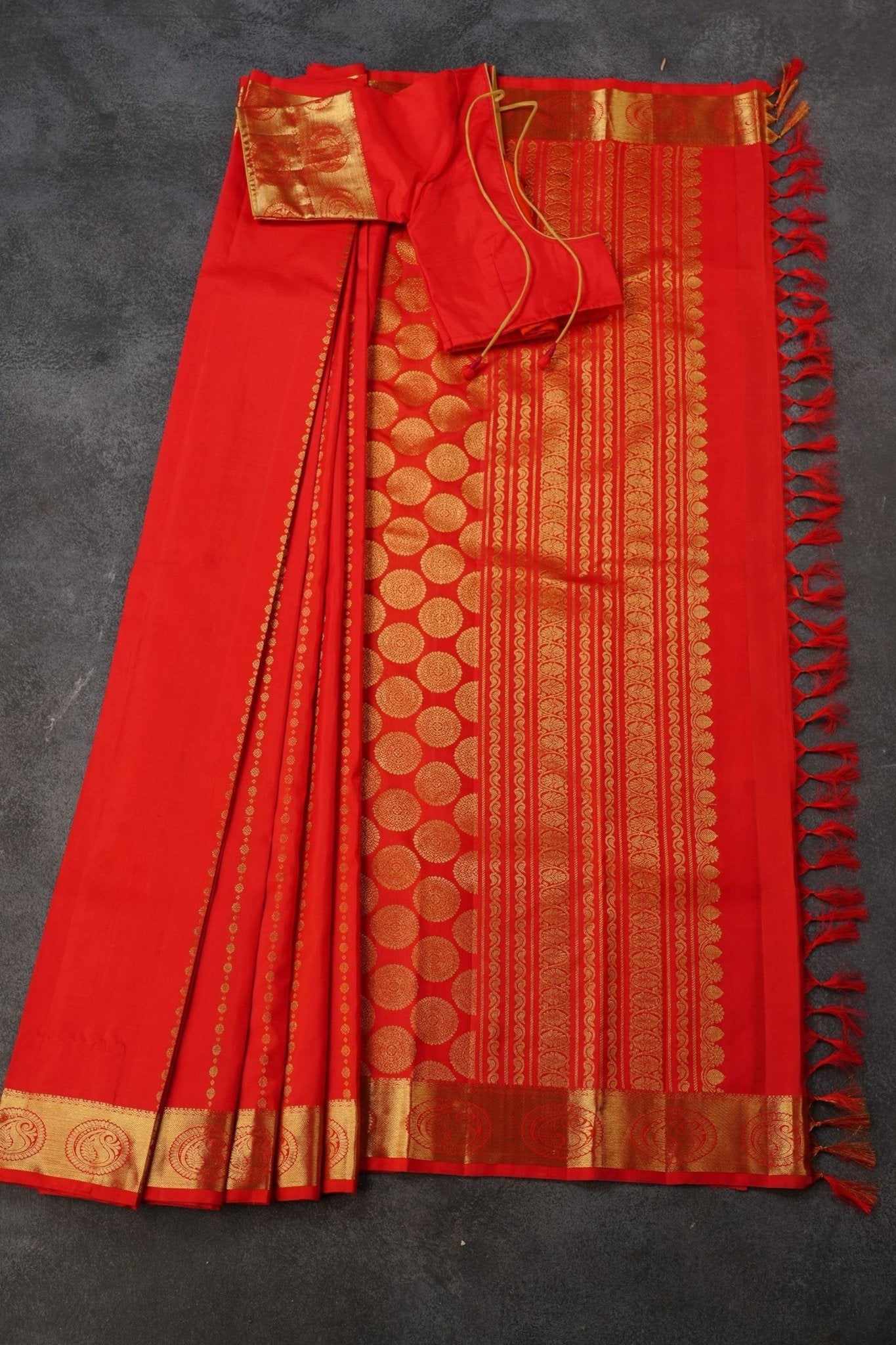
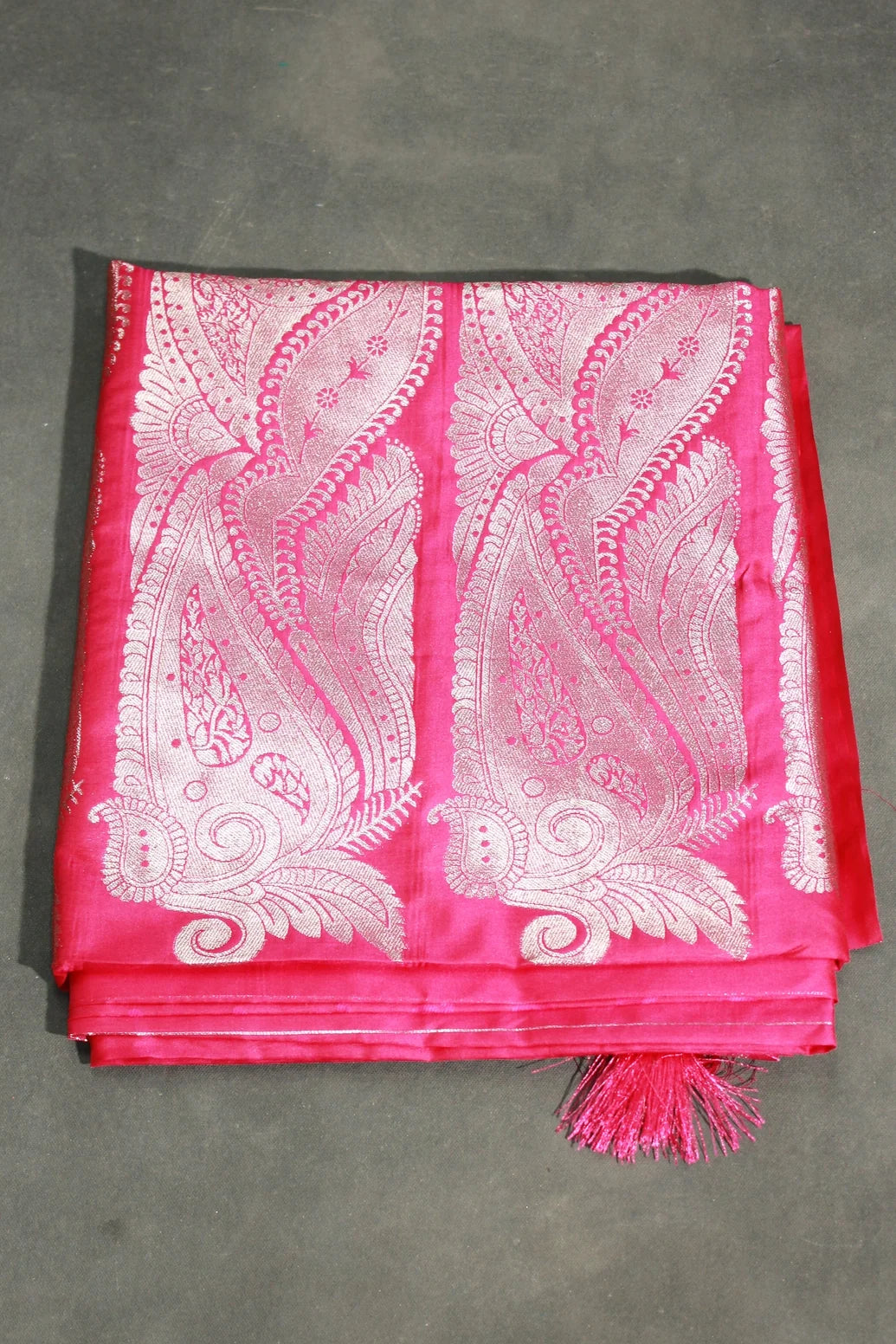
Banarasi soft silk is the most reliable option for this occasion. The brocade weave holds its structure through a full day of wear, the zari catches diya light cleanly, and the traditional pink or red Banarasi reads as occasion-appropriate across contexts: formal puja, family gathering, or evening party. Prices for Banarasi-style sarees at JCS Fashions start around $55, a reasonable entry point for something you'll wear across multiple events this season. Browse the full saree collection for current color availability.
Silk-cotton (Maheshwari) is the right call if October is cold where you live. The blend is warmer and more stable than pure silk, doesn't require dry cleaning, and comes in maroon, plum, and deep green, all appropriate for Karwa Chauth. Most options fall under $81 and are straightforward to care for after the occasion.
Pure silk, Kanjivaram especially, is the investment option. It drapes with a depth that other fabrics don't match, photographs beautifully with heavy jewelry, and holds color well under both warm indoor and outdoor lighting. The pure silk collection covers a range of price points if you want to compare options at this tier.

Anarkalis and Salwar Suits — When Sarees Aren't Practical
Suits have earned a genuine place at Karwa Chauth. If you have young children, live alone and need to drape yourself, or simply prefer the mobility, the right suit is fully appropriate, and in many communities it's equally standard.
The silhouette that works best for this occasion is a full-length Anarkali — floor-length, fitted through the bodice, with enough flare to look ceremonial. A silk or georgette Anarkali in deep red, pink, or magenta photographs as well as a saree does. The other strong option is a churidar set with an embellished dupatta; the dupatta carries the ceremony work that a saree pallu would otherwise provide.
The key detail for Karwa Chauth specifically: the outfit needs enough embellishment — zari, mirror work, or embroidery — to read as occasion wear rather than daily. The salwars and kurtis collection carries both casual and festive options, and the more embellished Anarkalis sit toward the festive end of the catalog.

Colors: What Actually Photographs Well
Red and pink are the traditional choices for Karwa Chauth, but the specific shade within that range, and how it interacts with your fabric, is where most online orders go wrong.
- Crimson or deep red: Pairs with gold zari. Strong in candlelight and diya-lit photos. Skip silver accessories, which clash with this shade.
- Hot pink or magenta: More flexible than deep red. Works with both gold and rose-gold jewelry, and stands out in group photos where multiple guests are wearing similar reds.
- Maroon: The most underrated choice. Looks intentional rather than costume-y, and photographs warmly under the evening lighting conditions typical of Karwa Chauth gatherings.
- Green (bright or dark emerald): Traditional in some regional and family customs. Particularly effective if you want something distinctive that still reads as festive and auspicious.
One practical consideration: in indoor low-light settings, thin fabrics like chiffon or light georgette lose their texture detail in photos. Structured weaves like Banarasi, semi-silk, and silk-cotton photograph with significantly more presence and depth.
Budget Brackets and Getting Delivery Right
Three price ranges cover most of what NRI women look for around Karwa Chauth:
- Under $81: Semi-silk, Maheshwari, and cotton-blend sarees. Photograph-ready with the right blouse, and appropriate for home puja and family gatherings.
- $81–$150: Heavier Banarasi, designer georgette, and semi-silk with richer embellishment. Sarees for under $100 and the designer saree range both sit in this bracket.
- Over $150: Silk-mark or handloom-grade sarees. Investment pieces that carry through Diwali and into the full wedding season.
JCS Fashions ships from California, so domestic delivery runs 3–5 business days with no customs clearance delays. Ordering by early October gives a reasonable buffer to exchange if a color reads differently on you than it did on screen. The closer you cut it to October 28, the fewer options you have if the saree or suit isn't right.

The saree or suit you choose for Karwa Chauth will appear in photos you'll keep for years. It's worth taking twenty minutes now to settle on the fabric and color combination. The actual purchase takes ten minutes after that. Start with the category that fits your lifestyle, then narrow by color and budget from there.

Written by JCS Fashions