Best Indian Ethnic Wear for NRI Wedding Season 2026 — Silk, Velvet & Dressy Picks That Ship from California
NRI wedding calendars fill up fast from October through January. December alone pulls in three or four ceremonies for half the Bay Area, and by November everyone is scrambling for outfits. Start looking in September and you have room to think about what you actually want to wear. Wait until two weeks before the baraat and you're ordering under pressure and hoping the sizing cooperates.
Here are the Indian ethnic wear styles worth planning around for NRI wedding season 2026, across price points and occasion types, with specifics on what holds up through multiple events in a row.
Why This Wedding Season Has More Events Than You Think
Indian weddings in the US cluster in predictable ways. Diwali in early November kicks off the festive mood, Thanksgiving clears the schedule, and the real baraat season starts in early December and runs through mid-January. Destination weddings in Cancun or Sedona fill in the gaps.
That adds up fast. Four or five formal events in 90 days is entirely normal for Bay Area NRIs. You need at least two distinct looks — one substantial outfit for the ceremony and reception, something movement-friendly for sangeet or mehendi, and ideally a versatile middle option for the events where the dress code just says “ethnic.” The guests who look effortlessly put together at all of them started planning in August.
Sarees That Work Across Multiple Ceremonies
Sarees translate across South Indian, North Indian, and intercultural celebrations more reliably than lehengas, and they photograph well under any lighting. For wedding season specifically, silk or semi-silk holds up better — both in appearance and in how the fabric feels after a long evening.

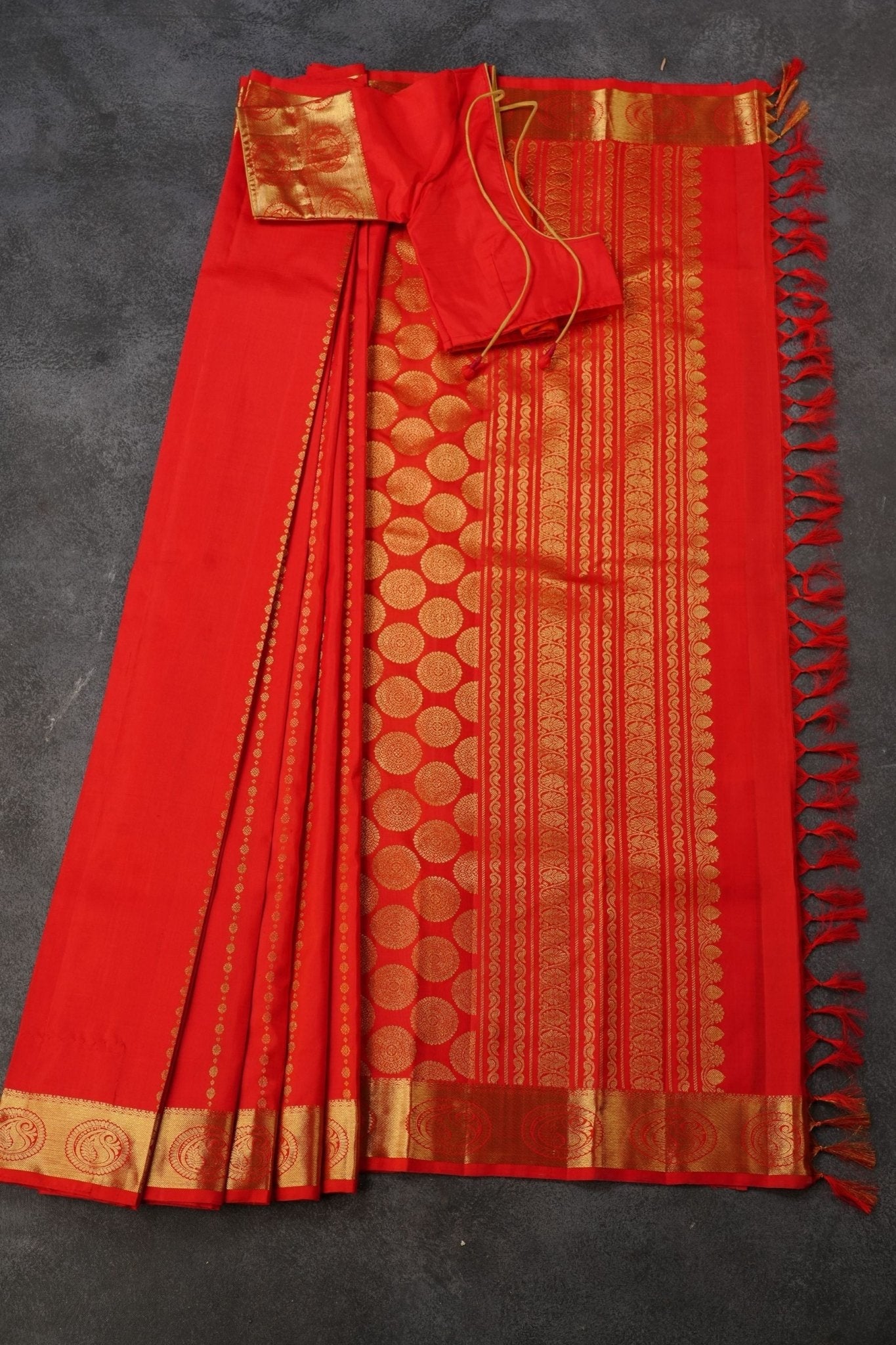
The Orange Kanchipuram Saree with Gold and Copper Zari ($200) is Silkmark certified and comes with a fully stitched blouse. It covers ceremony and reception in one piece, no tailor appointment needed. If you’re attending one wedding this season and want a single saree that handles everything formal, this is the pick.
For a $100 option that reads richer than the price, the Ajarakh and Patola Satin Saree in maroon catches the light well at evening receptions and comes with a stitched blouse. The satin fabric is soft and falls cleanly. Good for long nights when comfort matters as much as appearance.

The Designer Sarees collection carries more semi-silk and georgette options in the $75–$150 range. If you’re going to more than two weddings this season, browse there and pick two pieces that don’t overlap in color: a dark jewel tone for evening events and a lighter silk for daytime ceremonies.
For ceremony sarees above $150, the Premium Sarees collection includes Kanjivaram, pure silk, and heavy-zari styles. These are the pieces that photograph well in formal settings and hold their own against even the most dressed-up wedding crowds.
Lehengas and Suits for Pre-Wedding Events
Sangeet nights and mehendi afternoons call for something you can actually move in. The same outfit that photographs well during a seated ceremony becomes a liability when the DJ starts, and lehengas let you dance without the careful management a saree requires.

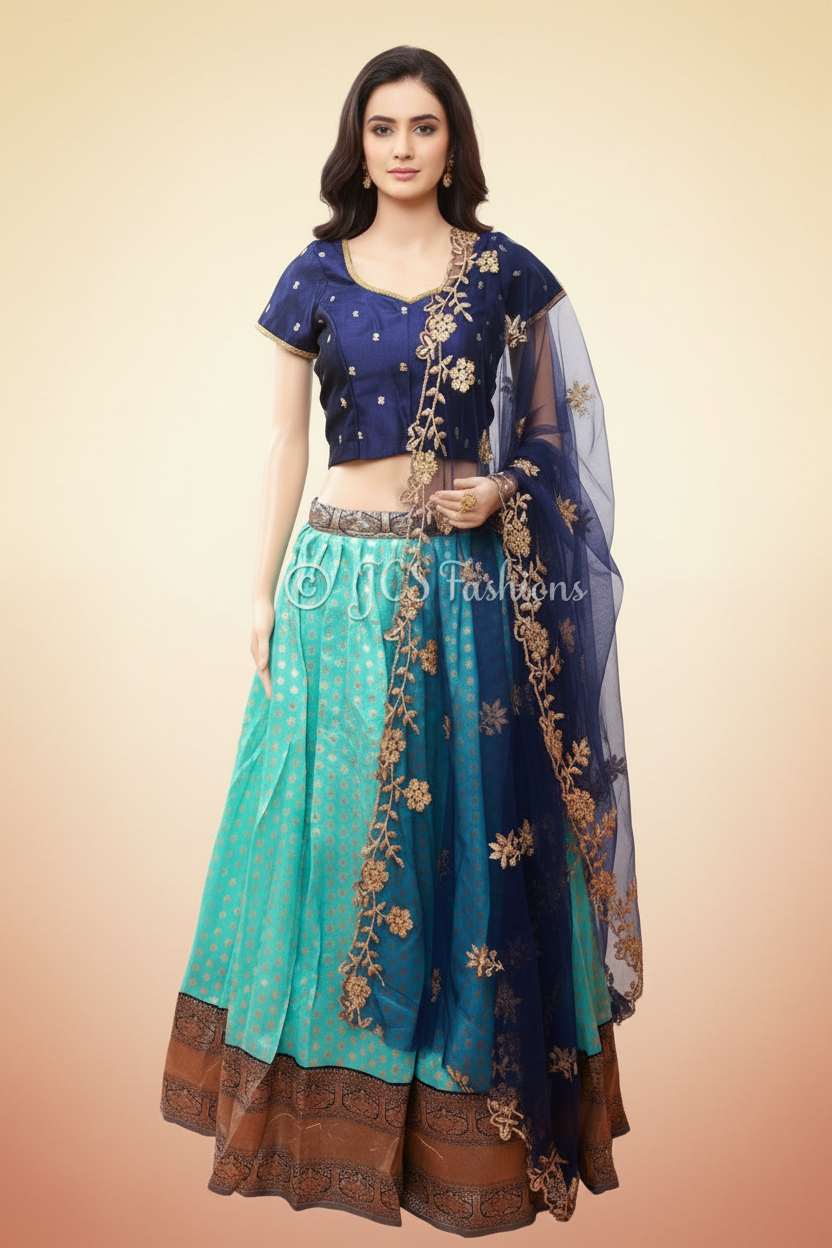
The Purple Satin Lehenga with Crop Top ($45) works for sangeet specifically because it’s easy to move in, vibrant enough for photos, and isn’t priced like a ceremony outfit. You wear it without worrying about it, which is exactly what sangeet requires.
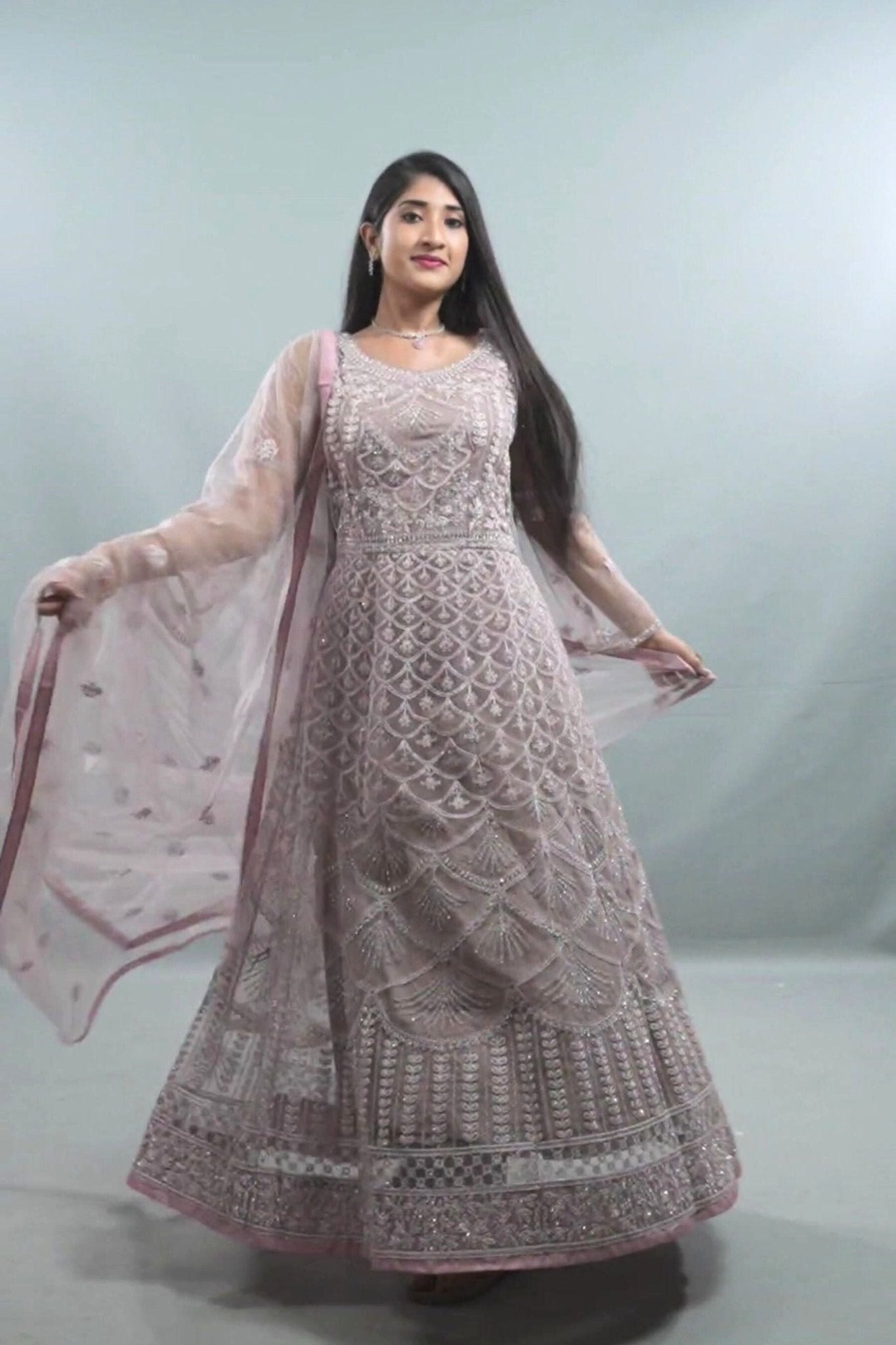
If you prefer the coverage of a salwar suit for pre-wedding events, the Ethnic Wear collection covers anarkalis, floor-length sets, and sharara suits across price points. A well-cut anarkali in a jewel tone works across sangeet, morning puja events, and smaller receptions without looking out of place at any of them.
A Note on Blouse Alterations
If you order a saree that doesn’t include a stitched blouse, build alteration time into your plan. “Blouse piece” means unstitched fabric, not a finished blouse. Budget a week for tailoring appointments. The Semi-Silk Sarees collection includes styles with blouse pieces and styles with stitched blouses — useful distinction when you’re comparing options under time pressure.
Shop in August, Not November
The inventory problem is real. Sizes and styles that NRI wedding guests actually want, particularly silk and semi-silk sarees in the $100–$200 range, tend to sell out by October. What’s still available in November is whatever didn’t move earlier in the season, which is rarely the best of what’s available.
For a complete NRI wedding season, three pieces cover most situations:
- A pure silk or premium semi-silk saree for the main ceremony
- A lehenga or anarkali suit for sangeet and mehendi nights
- A lighter semi-silk for morning events and day receptions
Shopping in August means first pick on all three. The pieces in this guide ship domestically from California, with no customs delays or unpredictable international delivery windows. But a 3-5 day shipping guarantee doesn’t help if the style you wanted sold out two months ago.
Map your wedding calendar for the next four months. Decide how many distinct looks you need. Then buy once, thoughtfully, rather than scrambling three times under pressure as each event approaches.

Written by JCS Fashions