Article: Best Diwali Outfits Under $100 for NRI Women 2026 — Festive Sets That Ship Fast from California
Best Diwali Outfits Under $100 for NRI Women 2026 — Festive Sets That Ship Fast from California
Diwali is November 8 this year. Two months sounds like plenty of time — until your size is gone, the color you wanted is backordered, and the panic-shipping estimate lands at $45 on top of a saree you didn’t really want anyway.
Most NRI women in the US either overspend, assuming a Diwali-worthy saree has to cost $200 or more, or wait too long and buy whatever’s left. The gap between $75 and $250 in this category is mostly brand markup, not fabric quality. The realistic budget to aim for is closer to $100, which gets you a silk-blend saree, semi-silk piece, or heavily embroidered salwar suit from JCS Fashions that photographs well, drapes without constant adjusting, and holds up through five hours of puja, family photos, and dancing.
The goal here is a buying list: enough to decide and order while the good sizes are still there.
Sarees Under $100 That Actually Look Festive
Gold and jewel tones are what Diwali calls for. You don’t need a pure Kanjivaram at $400 to get there.
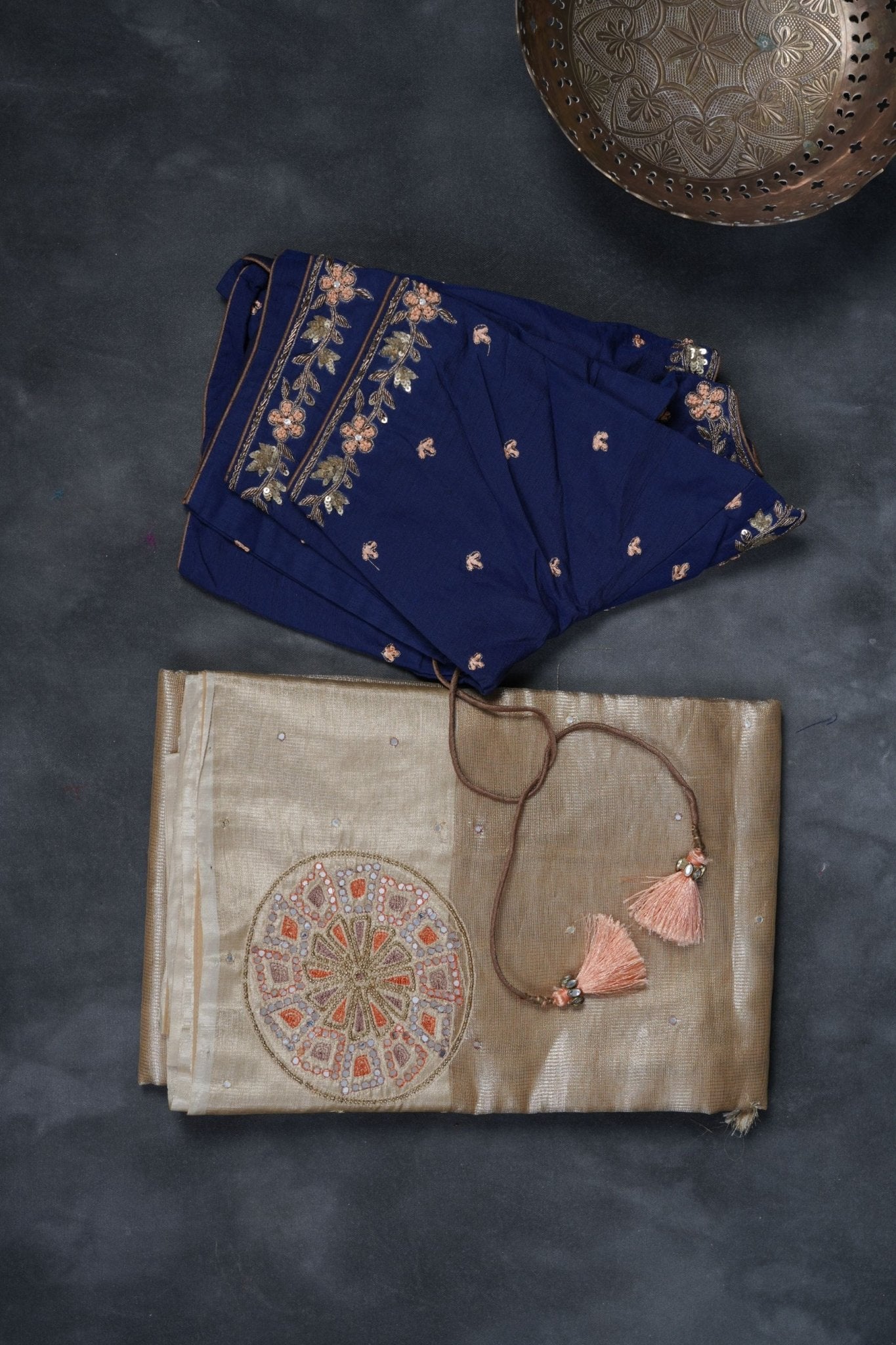
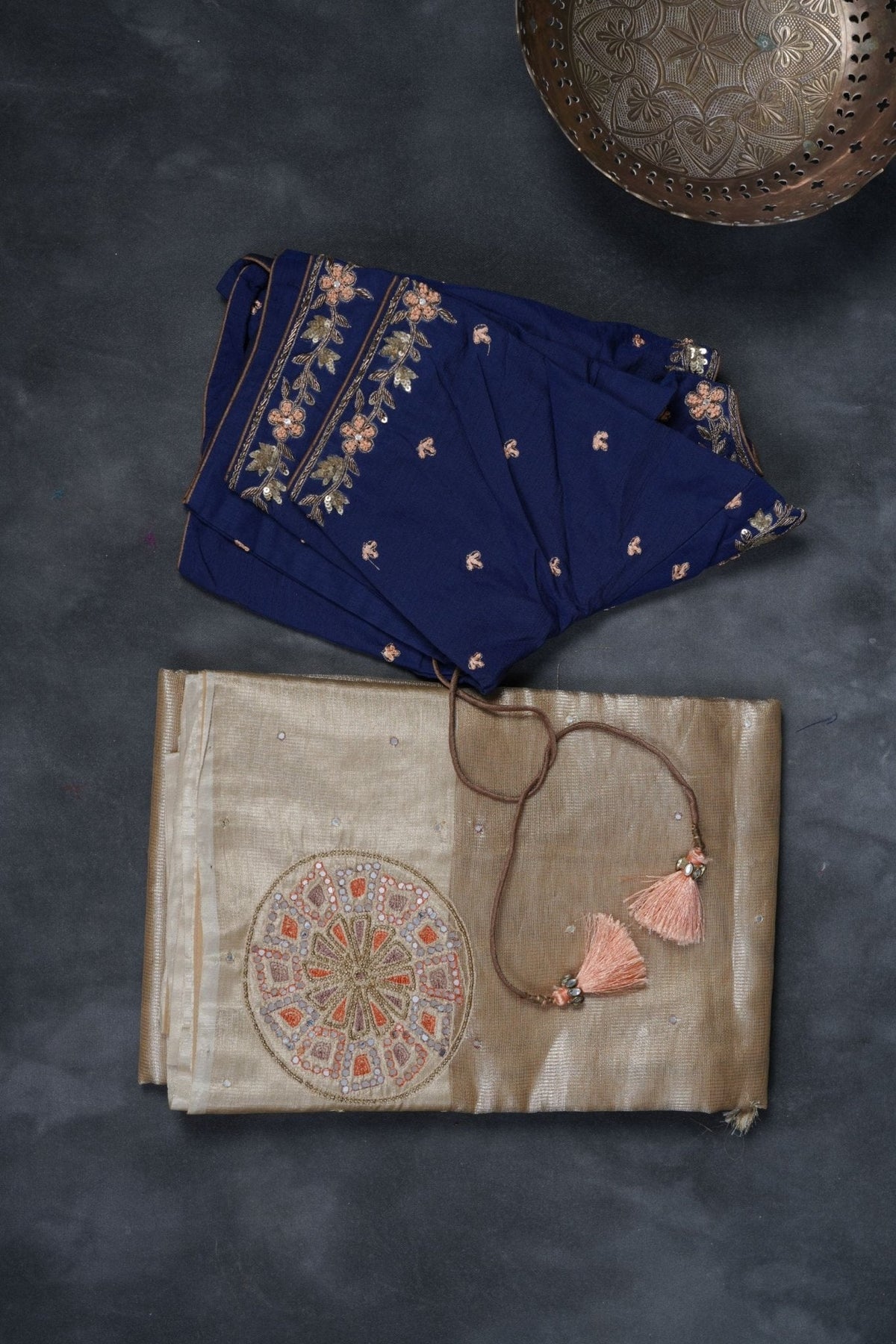
Gold tissue sarees, woven with metallic warp threads that catch light the way heavier silks do, run around $75 at JCS Fashions and come with a fully stitched maggam work blouse included. That blouse is a $30–50 add-on almost anywhere else, so the effective price comparison is better than it looks at first glance.
Semi-silk in deep pinks, burnt oranges, and forest greens covers the rest of the Diwali palette. The Sarees For Under $100 collection carries over 1,100 pieces at that ceiling. The real work is filtering by color and occasion type rather than worrying about price.
For a handloom option in this range, Kanchipuram-style semi-silk with contrast borders in pink-purple or teal-gold sits at $75–80 and reads as occasion-appropriate without the rigid drape or weight of pure silk, which is worth considering if you want the traditional saree look without having to re-drape it twice during the evening.

The Case for Salwar Suits and Anarkalis This Diwali
Salwar suits and anarkalis get dismissed as not festive enough for Diwali, and that’s a bad read. A floor-length anarkali in heavily sequined or zari-worked fabric is absolutely Diwali-appropriate — and significantly easier to wear through a full evening than a saree if you’re hosting, doing multiple rounds of aarti, or just don’t want to think about the drape all night.
Two picks worth considering for 2026:
- Chinon salwar kameez sets with sequin work, $75: Chinon has a natural sheen and drapes cleanly. A purple or teal chinon set with allover sequins photographs well under string lights and warm Diwali lighting. No petticoat required, no safety pins.
- Anarkali gowns with Banarasi dupatta, $35: Floor-length anarkalis with a Banarasi silk dupatta give you the same silhouette as a lehenga choli at a fraction of the cost. Red and orange tones are the right call for Diwali.
The Anarkali Kurti collection is the place to browse the gown styles. If budget is the hard constraint, the Less than $75 Salwar section has over 150 pieces and narrows things down fast. For the full range of salwars and kurtis, including sets with dupattas, browse the main collection.

Why Semi-Silk Sarees Are Worth Reconsidering
Semi-silk gets unfairly labeled as a compromise. The actual trade-off: semi-silk is lighter, drapes more easily for women who don’t wear sarees weekly, and handles an evening near open diyas and mithai without requiring emergency dry-cleaning afterward. For a single festive event rather than a high-scrutiny wedding reception, semi-silk consistently outperforms its price point.
A specific recommendation: the handwoven Kanchipuram semi-silk saree with pink-and-purple contrast border, around $75. It reads as deliberate and chosen, not accidental, and gets real compliments rather than polite ones. Browse the semi-silk saree collection for all color combinations. The same weave comes in multiple colorways, so you’re not locked into one look.
If you’re set on pure silk, options exist in this price range too. They’re heavier and require dry-cleaning, a real trade-off when you’re hosting. For most Diwali party contexts, semi-silk is the better call.

Ordering for Diwali 2026: Timing and Sizing
Diwali is November 8. Order by the third week of October at the latest — not because shipping is slow, but because popular sizes (M/40 and L/42 specifically) go first in any well-priced style, and restocking from overseas takes weeks.
JCS Fashions ships from California, with 3-5 day delivery to most US addresses. No international delays, no customs paperwork, no three-week wait. The full saree catalog and the designer sarees section are both worth browsing if you want to see the full range before narrowing down.
On sizing: Indian ethnic wear runs smaller than US sizing in most cases. When in doubt, size up — the ready-to-wear blouses on pre-stitched sarees are fixed at purchase, so getting the size right upfront matters more than it does with most other clothing. If the size chart leaves you between two options, go larger.

Written by JCS Fashions