Best Cotton Sarees for South Indian Women — Chettinad, Silk-Cotton & Handloom Picks 2026
For Tamil, Telugu, and Kannada women, cotton sarees are a practical necessity, not a fallback option. Friday puja, Aadi Fridays, morning temple visits, naming ceremonies, and casual family functions all land in cotton territory. The fabric breathes, drapes predictably, and survives a washing machine cycle without drama. Cotton also tends to age better than most silks, and a well-maintained Chettinad cotton gets softer and more supple with every wash.
What trips up a lot of shoppers looking for cotton sarees for South Indian women is how broad the category actually is. "Cotton saree" covers Chettinad handloom, Kanchi cotton, Kerala silk-cotton, Maheswari silk-cotton, tissue linen blends, and Pochampally ikkat cotton — each with a different weight, occasion range, and price point. Picking blind wastes money. This guide breaks down what to buy for what.
Silk-Cotton Sarees: Best for Ceremonies and Functions
A silk-cotton blend (also called cotton pattu) is the most versatile pick in this category. It has just enough sheen to look function-appropriate without the physical weight of a full Kanjivaram. It drapes cleanly even without heavy starch and doesn't crumple badly through a long afternoon.

The Cream Kerala Silk Cotton Saree at $84.99 is a strong starting point. Off-white body, gold kasavu border, blouse piece included — it reads traditional South Indian and works for Vishu, Onam, and any ceremony where a kasavu is appropriate. The silk-cotton construction stays crisp through a four-hour function in a way pure cotton sometimes doesn't.
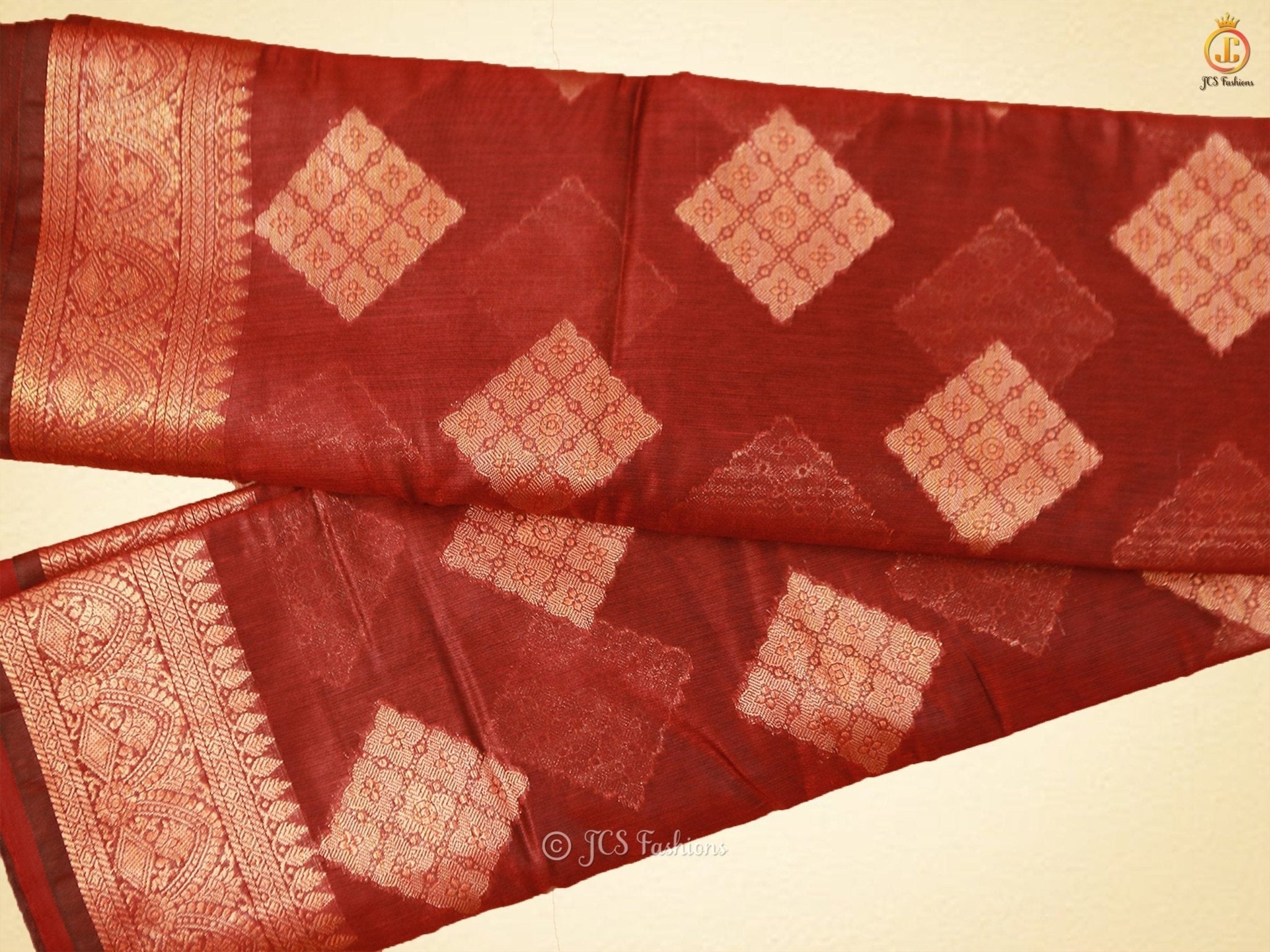
For a warmer earth-tone option, the Elegant Soft Silk Cotton Saree in brown ($50) comes with a structured brocade blouse. At that price point with a pre-stitched blouse included, it's one of the most practical buys on this list. The drape reads pattu-adjacent without the full silk investment.
Browse the Kerala Sarees collection to see the full range of silk-cotton and kasavu styles, all priced under $150.
Kanchi Cotton: The Traditional Look Without the Weight
Kanchipuram is known for heavy silks, but that's only part of the story. Kanchi cotton sarees deliver the same contrast borders, traditional body patterns, and zari detailing at a fraction of the weight. For South Indian women in California, where summer temperatures regularly push above 90°F, Kanchi cotton is a smarter choice than full silk for daytime functions. It also skips the dry-cleaning requirement — which cuts down the overall cost of ownership more than the price tag alone suggests.

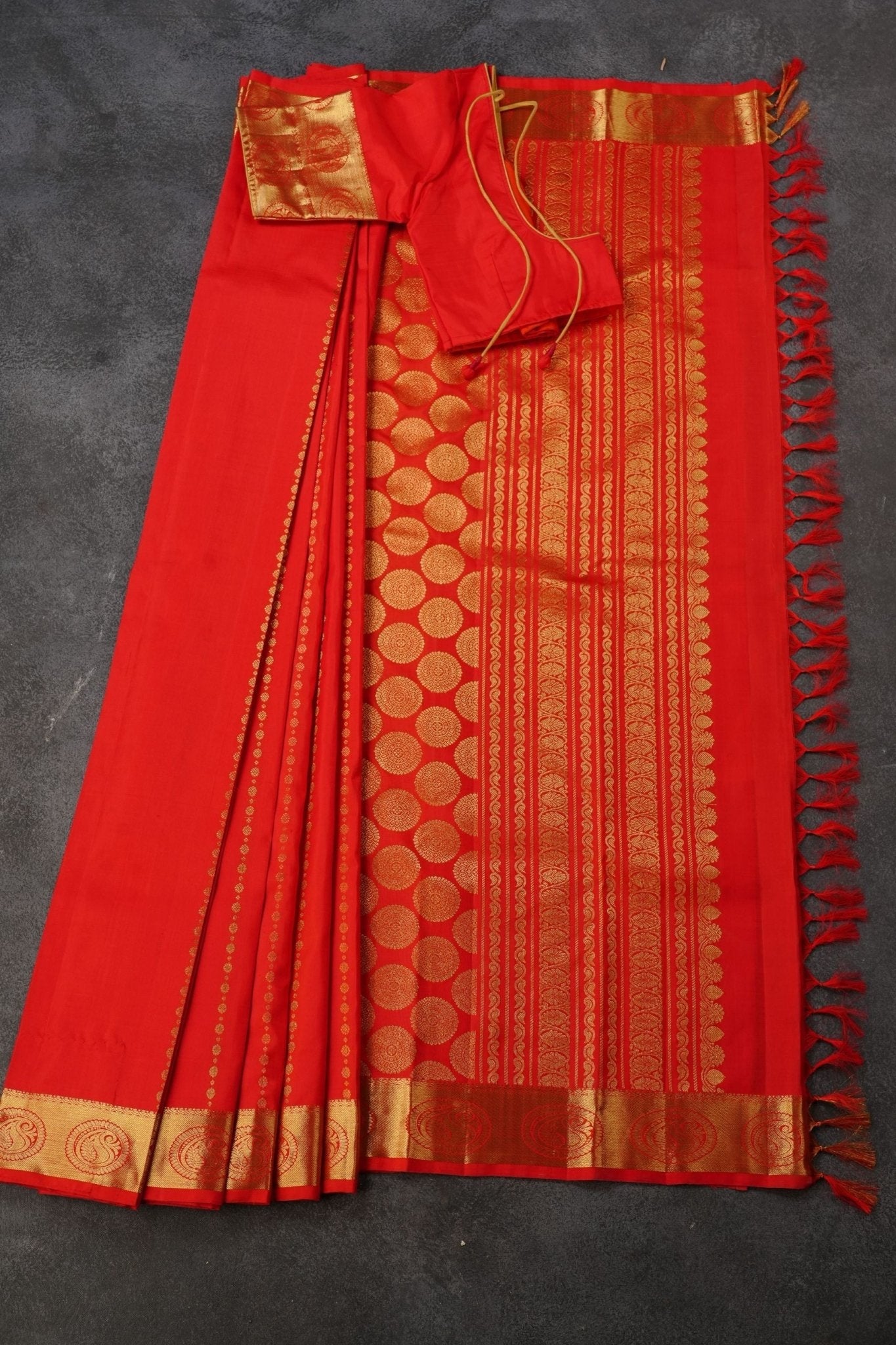
The Pink Big Kattem Kanchi Rich Cotton Saree at $95 is worth a specific mention. The "big kattem" refers to the large square body design, a deeply traditional Kanchipuram woven pattern. Pink body, contrast red border, running blouse piece included. This is what to wear on Aadi Fridays, Karthigai Deepam, or any South Indian function where a traditional look matters but comfort can't be sacrificed.
The Kanchipuram Sarees collection has both the full silk versions and lighter cotton options so you can compare across price points before deciding.
Maheswari, Tissue Linen & Handloom Picks
Maheswari cotton comes from Maheshwar in Madhya Pradesh and has become a steady favorite among South Indian NRI women. The weave is lighter than Chettinad, the stripe patterns are distinctive, and the reversible borders mean they photograph well from any angle. They're also the category that becomes more pliable with each wash — after three or four cycles, a Maheswari drapes almost effortlessly. The $50–$100 price range makes them easy to build a rotation around: two or three in different colorways can cover most weekly temple and office needs.

For something with ceremony-level sheen, tissue linen sarees bridge the gap. The Lemon Yellow Tissue Linen Saree at $135 has vertical zari weaving against a bright yellow ground and comes with a fully stitched blouse. It's cotton-adjacent in weight but has enough visual presence for a daytime reception or sangeet. Ships from California, so 3-5 day delivery, no customs wait.
Matching Cotton Saree to Occasion
The overlap between occasion and saree type trips people up constantly. Here's a practical breakdown:
- Daily wear, work, or temple Fridays: Pure cotton at under $60. Chettinad checks, Kerala cotton, simple prints. Easy to drape, machine washable, no dry-cleaning needed.
- Morning ceremonies (naming, first rice, cradle function): Silk-cotton blend. Adds formality without the weight of a full pattu. $50–$90 covers most options.
- Afternoon functions, housewarming, community events: Kanchi cotton or Maheswari. Traditional patterns, breathable, $75–$100.
- Evening receptions, sangeet, birthday parties: Tissue linen or brocade silk-cotton. Has sheen, holds drape through the night. $100–$150.
One thing to check before buying: does the listing include a stitched blouse or just a running blouse piece? A pre-stitched blouse saves the hassle of finding a local tailor to match the fabric. That search can add 2–3 weeks. The Sarees with Ready-to-Wear Blouse collection filters specifically for pre-stitched options.
The cotton and breathable sarees collection at JCS Fashions runs from $30 to $150 and covers most South Indian occasion needs without an international order.

Written by JCS Fashions