Kanchipuram Sarees: The Complete Guide to Choosing Authentic Silk Sarees
What Makes Kanchipuram Sarees So Special?
Kanchipuram sarees are among the most revered handloom sarees in India. Woven in the temple town of Kanchipuram in Tamil Nadu, these sarees carry centuries of tradition, craftsmanship, and cultural significance. For South Indian weddings especially, a Kanchipuram silk saree is not just clothing — it is a family heirloom passed down through generations.
Whether you are a bride looking for the perfect wedding saree, a guest searching for something elegant, or simply someone who appreciates fine handloom textiles, understanding what makes Kanchipuram sarees unique will help you choose the right one.
The Heritage of Kanchipuram Weaving
Kanchipuram, also known as Kanchi, has been a center of silk weaving for over 400 years. The town's weavers belong to families that have practiced this craft for generations, passing down techniques from parent to child. Each saree takes anywhere from 15 days to over a month to complete, depending on the complexity of the design.
What sets Kanchipuram weaving apart is the use of pure mulberry silk threads, which give these sarees their distinctive sheen, drape, and durability. The silk is sourced from Karnataka and Tamil Nadu, and the threads are dipped in rice water and dried before weaving to add strength and luster.
The Art of Zari Work
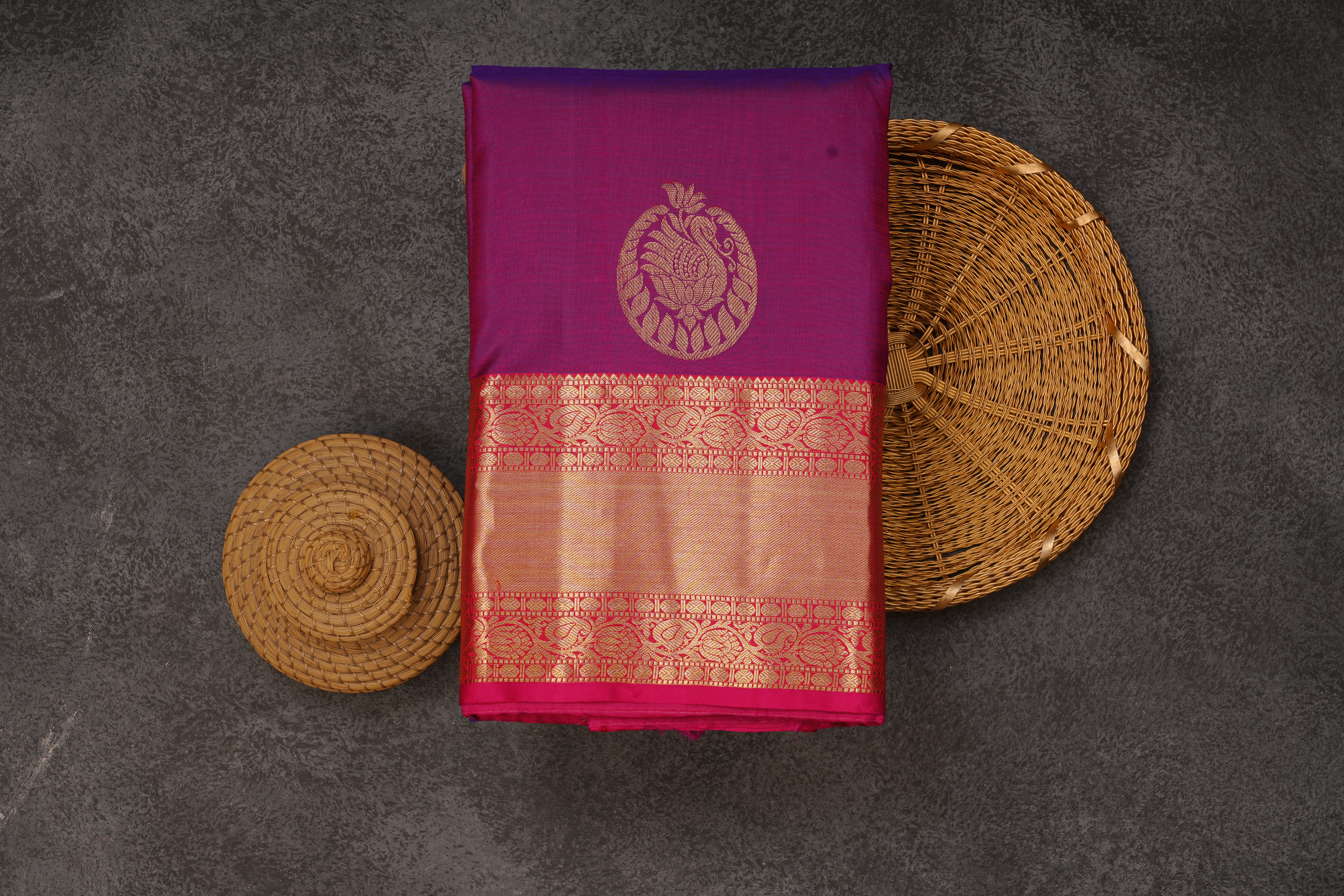
The hallmark of a Kanchipuram saree is its zari — metallic threads traditionally made from real gold and silver. These zari threads are intricately woven into the fabric to create the ornate borders, pallus, and body designs that Kanchipuram sarees are famous for.
There are different grades of zari used in Kanchipuram sarees:
- Pure zari (2g gold): Contains real gold coating over silver threads. These are the most premium and expensive. A pure Kanchipuram bridal saree with 2g gold zari is the traditional choice for South Indian weddings.
- Half-fine zari: Gold-coated copper threads — a good balance of appearance and affordability.
- Tested zari: Copper threads with a thinner gold coating — more affordable while still maintaining the look.
- Art silk zari: Synthetic metallic threads used in budget-friendly options.
Iconic Motifs and Their Meanings
Every Kanchipuram saree tells a story through its motifs. These designs are inspired by temples, nature, and mythology — each carrying cultural significance:
- Temple border (Korvai): The most recognizable Kanchipuram motif, inspired by the gopurams (temple towers) of South Indian temples. This design symbolizes devotion and is a must for religious ceremonies and weddings.
- Peacock (Mayil): Represents beauty, grace, and prosperity. Peacock motifs are popular on wedding sarees and festive wear.
- Mango (Paisley/Manga): A symbol of fertility and abundance, commonly woven into the pallu and border.
- Checks (Kattam): Simple checked patterns on the body are classic Kanchipuram designs, often paired with elaborate borders.
- Floral and leaf patterns: Represent nature and renewal, commonly seen on everyday and festive Kanchipuram sarees.
How to Identify an Authentic Kanchipuram Saree
With many imitations in the market, knowing how to spot an original Kanchipuram saree is important:
- Silk Mark certification: The Silk Mark Organisation of India certifies authentic silk sarees. Look for the Silk Mark label — it guarantees the saree is made from pure silk.
- Weight and feel: Genuine Kanchipuram sarees have a substantial weight due to the silk and zari. They feel rich and slightly stiff when new, softening beautifully with each wear.
- Border attachment: In traditional Kanchipuram sarees, the border is woven separately and then interlocked with the body using a technique called korvai. You can feel a slight ridge where the border meets the body.
- Zari test: Real zari has a reddish tint when you look at the reverse side, while imitation zari appears white or silvery.
Choosing the Right Kanchipuram Saree for the Occasion
Not all Kanchipuram sarees are the same. The right choice depends on the occasion:
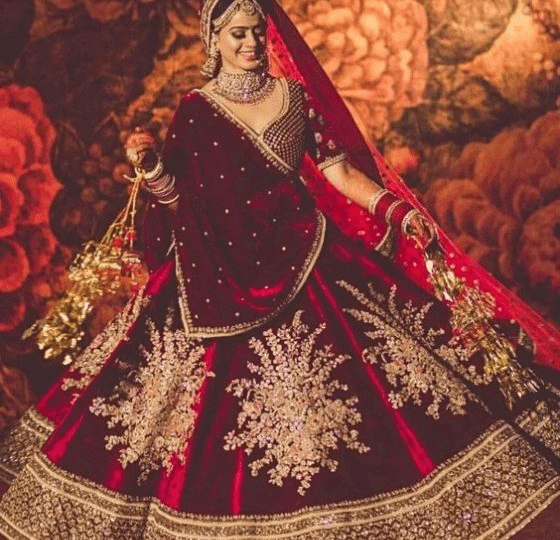
- Weddings (bride): Heavy pure silk with rich zari work in traditional colors like red, maroon, or gold. A handloom Kanchipuram silk in red and purple is a stunning bridal choice.
- Weddings (guest): Medium-weight silk with contrast borders in jewel tones. Pair with statement jhumkas for a polished look.
- Temples and festivals: Classic temple border sarees in auspicious colors like yellow, green, or orange.
- Everyday elegance: A Kanchipuram semi silk saree offers the traditional look at a lighter weight and lower price point — perfect for office events or family gatherings.
Caring for Your Kanchipuram Saree
A well-maintained Kanchipuram saree can last decades. Follow these care tips:
- Always dry clean your Kanchipuram silk sarees — never machine wash.
- Store wrapped in soft cotton or muslin cloth, not plastic. Silk needs to breathe.
- Refold your sarees every few months to prevent permanent crease lines.
- Keep silica gel packets nearby to absorb moisture and prevent mildew.
- Avoid spraying perfume directly on silk — it can stain the fabric.
Buy Authentic Kanchipuram Sarees at JCS Fashions
At JCS Fashions, we carry a curated collection of authentic Kanchipuram sarees — from Silk Mark certified pure silk bridal sarees to elegant semi silk options for everyday occasions. Many of our sarees come with fully stitched blouses featuring aari and maggam work, so you are ready to wear them straight away.
Visit us in store in Milpitas, California, or browse our saree collection online to find the perfect Kanchipuram saree for your next special occasion.

Written by JCS Fashions